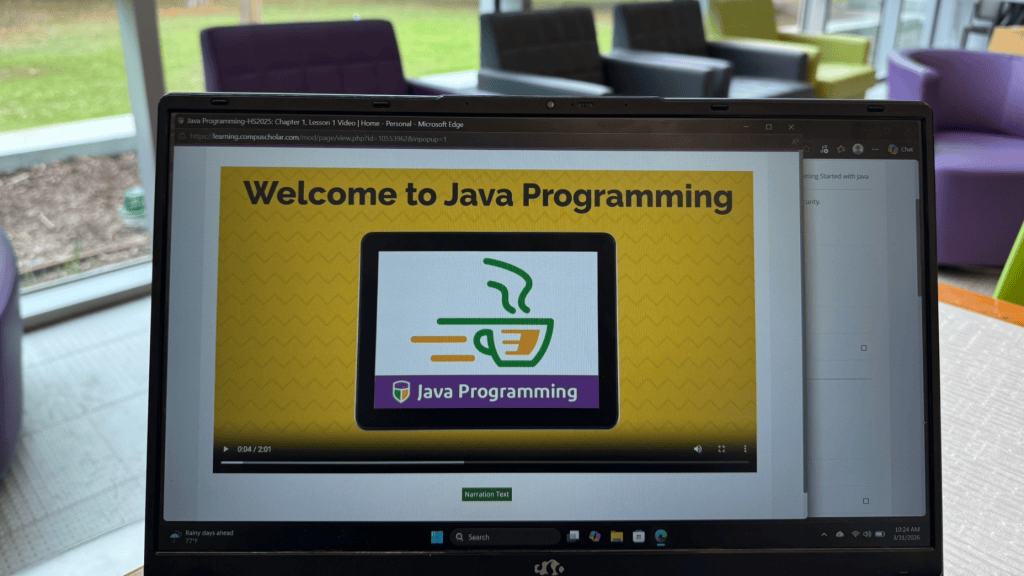
If you’ve ever thought about adding coding to your homeschool, you’ve probably had that moment of…
“Okay but where do I even start?”
Because there’s a big difference between:
- little kid coding games
- and actual programming that could lead to real opportunities later on
And when your child starts showing interest in things like:
- engineering
- robotics
- game design
- or even working for NASA one day
You realize pretty quickly…
…we need something more serious.
That’s exactly how we ended up trying the CompuScholar Java Programming course.
And after actually going through it?
I have thoughts.
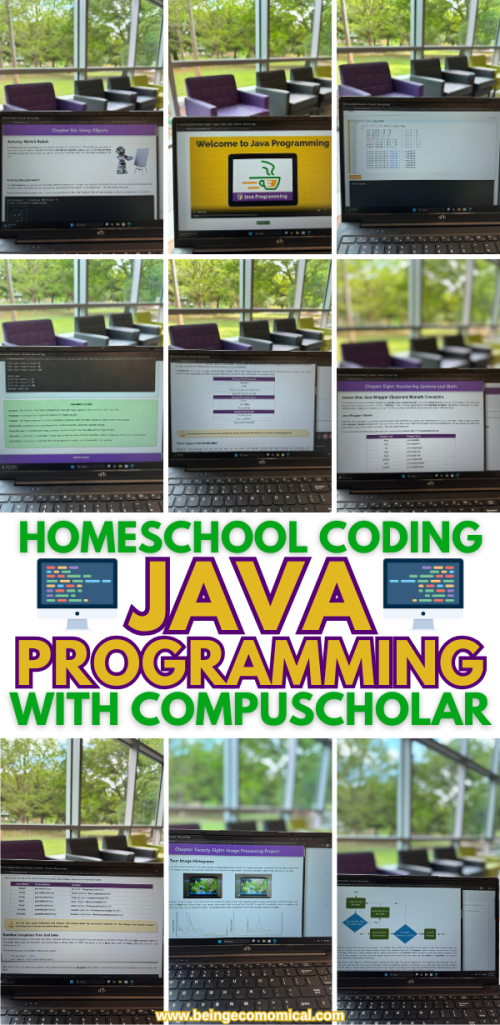
What Is the CompuScholar Java Programming Course?
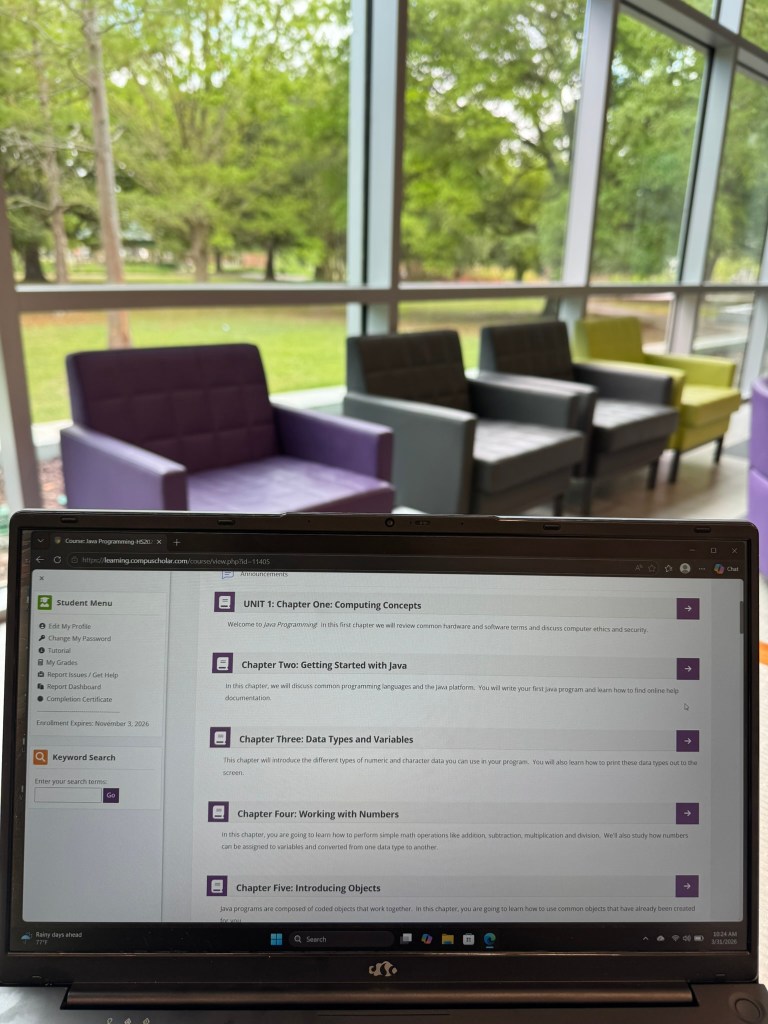
The CompuScholar Java Programming course is a structured curriculum designed to teach students how to code using Java, one of the most widely used programming languages in the world.
This is not:
- drag-and-drop coding
- beginner “click this, click that” programs
This is:
- writing real code
- understanding logic
- building actual programs from scratch
Think: high school to early college-level coding, but homeschool-friendly.
This course actually came from our Timberdoodle curriculum, which I talk more about in this full review here.
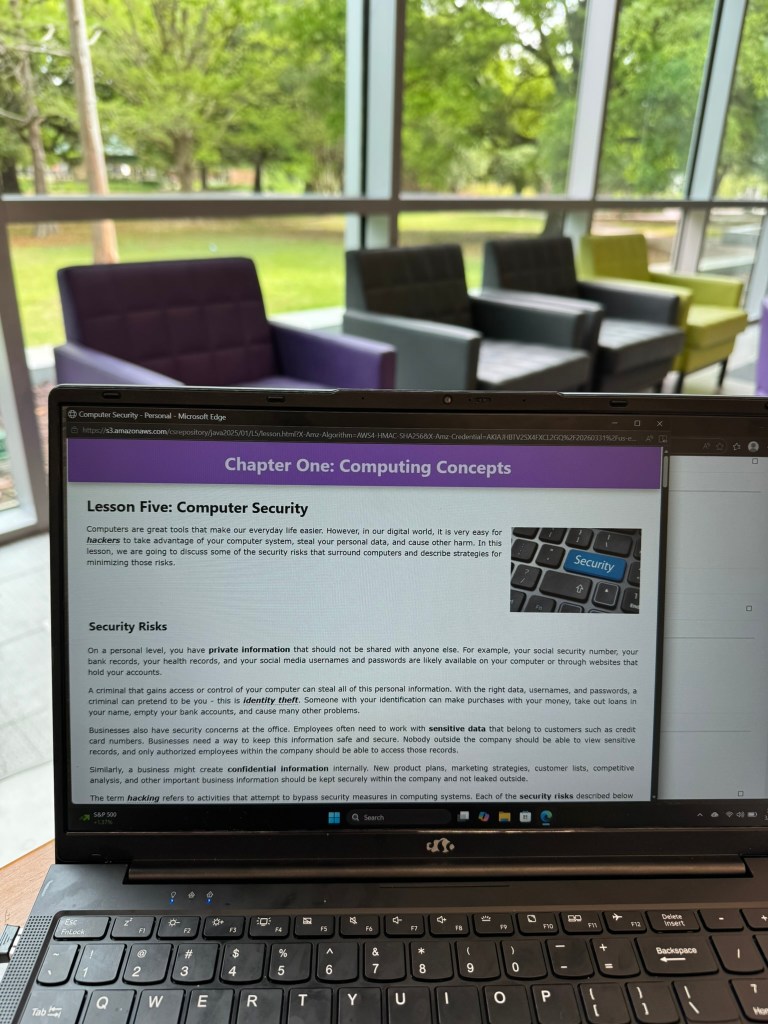
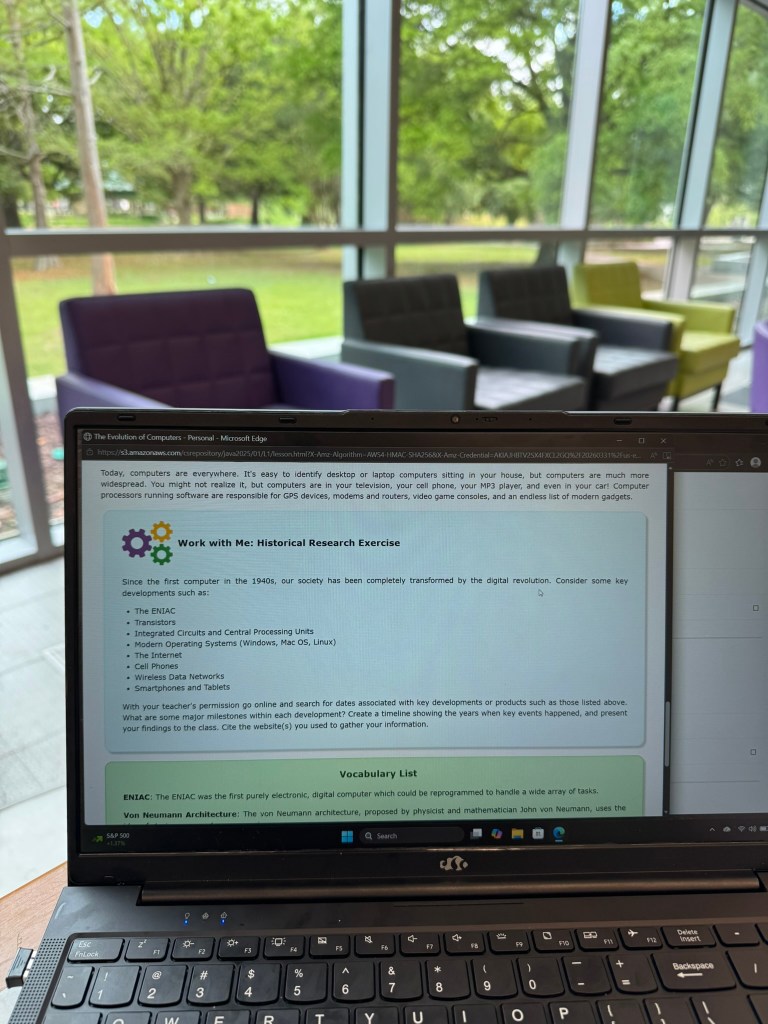
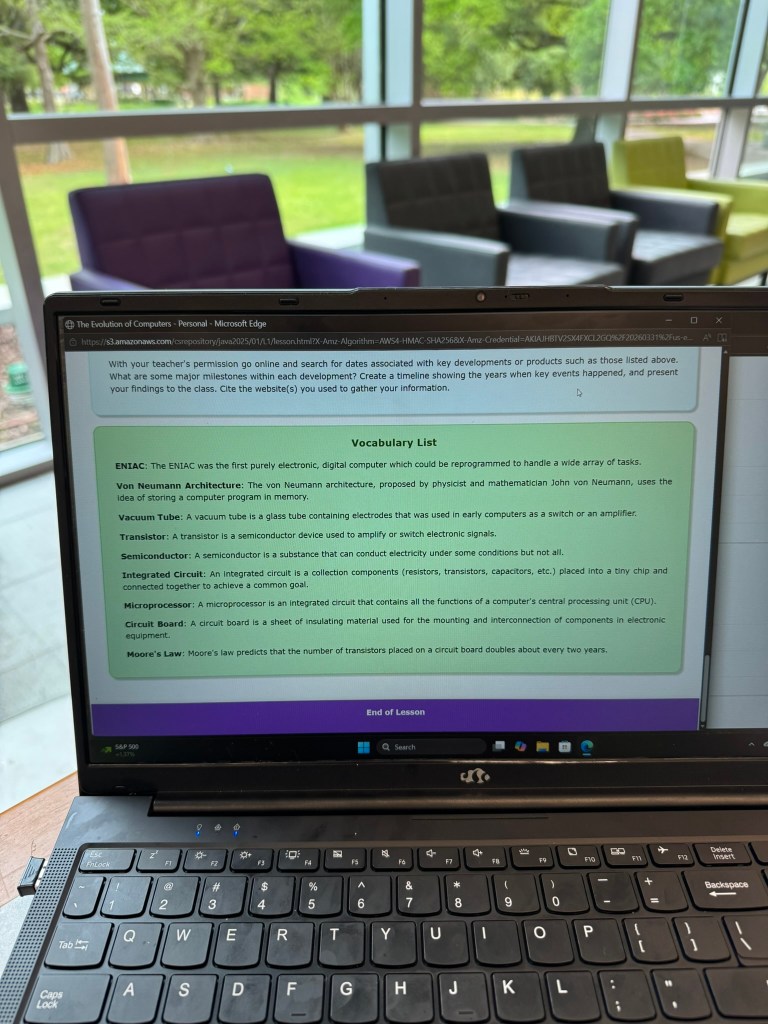
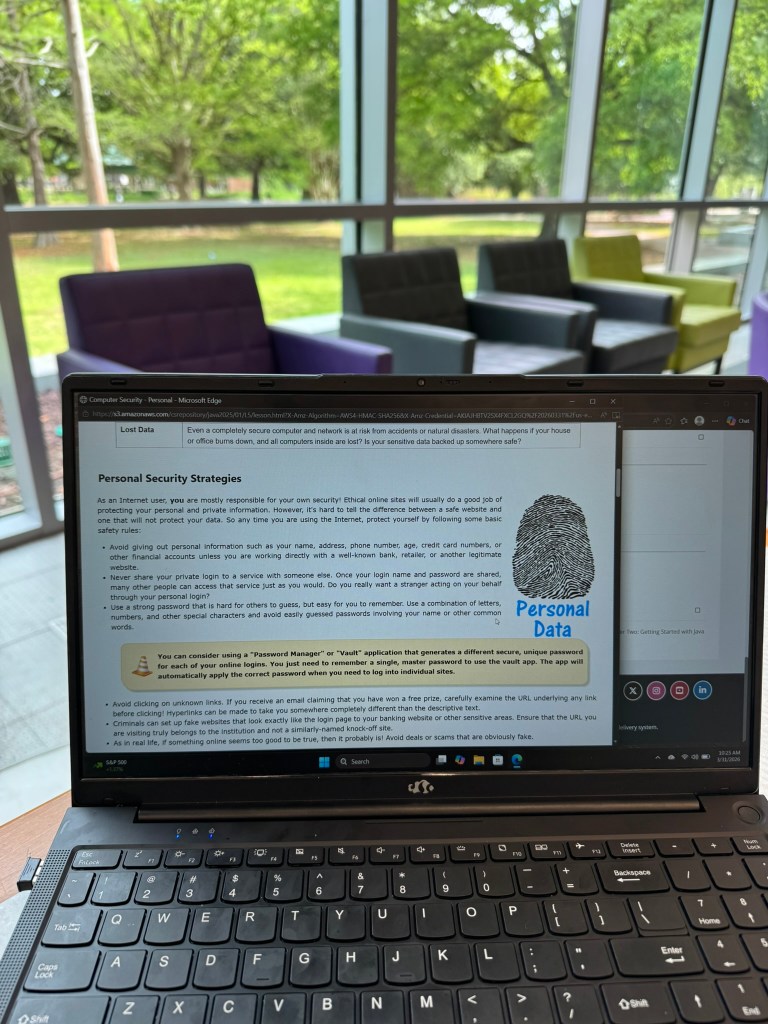
Why We Chose This Course for Our Homeschool
As a homeschool mom of multiple kids (and a business to run), I needed something that was:
- structured (so I’m not teaching everything myself)
- independent (so my child can actually work through it)
- and worth the time investment
And honestly?
A lot of coding programs felt:
- too basic
- too game-like
- or not serious enough
This one immediately felt different.
More homeschool posts here:
- Timberdoodle Review: CompuScholar Tech Essentials
- STEM Kit Review With Fisher Technik
- Why We Chose Timberdoodle For Our Homeschool (And What’s In Our Box)
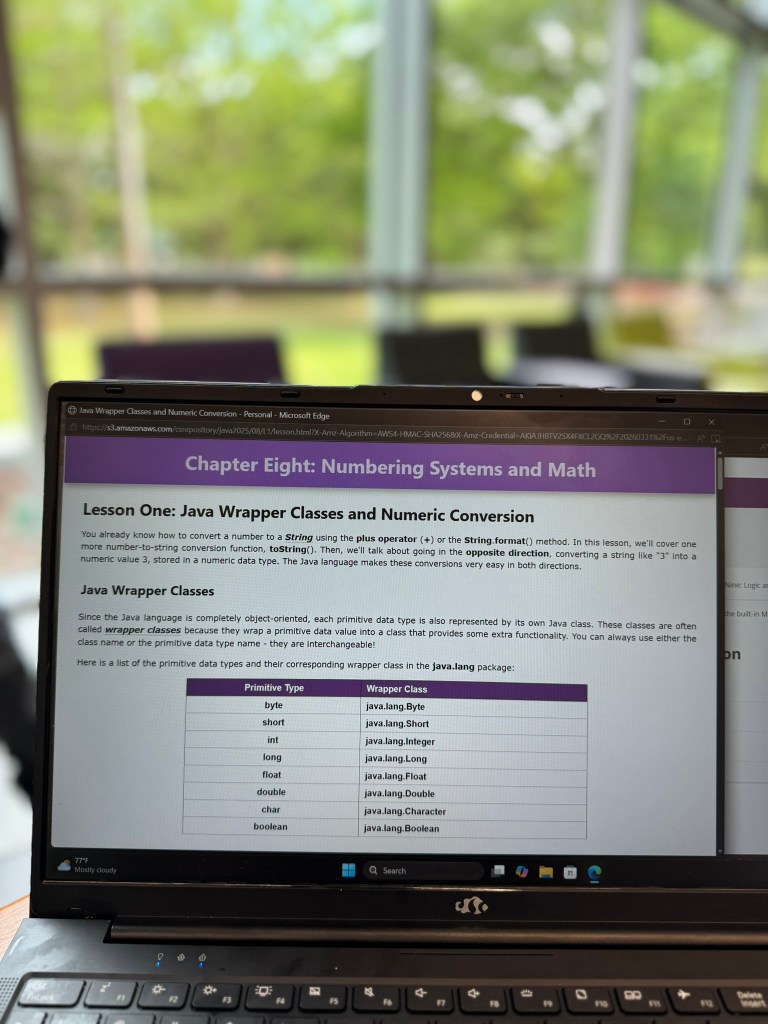
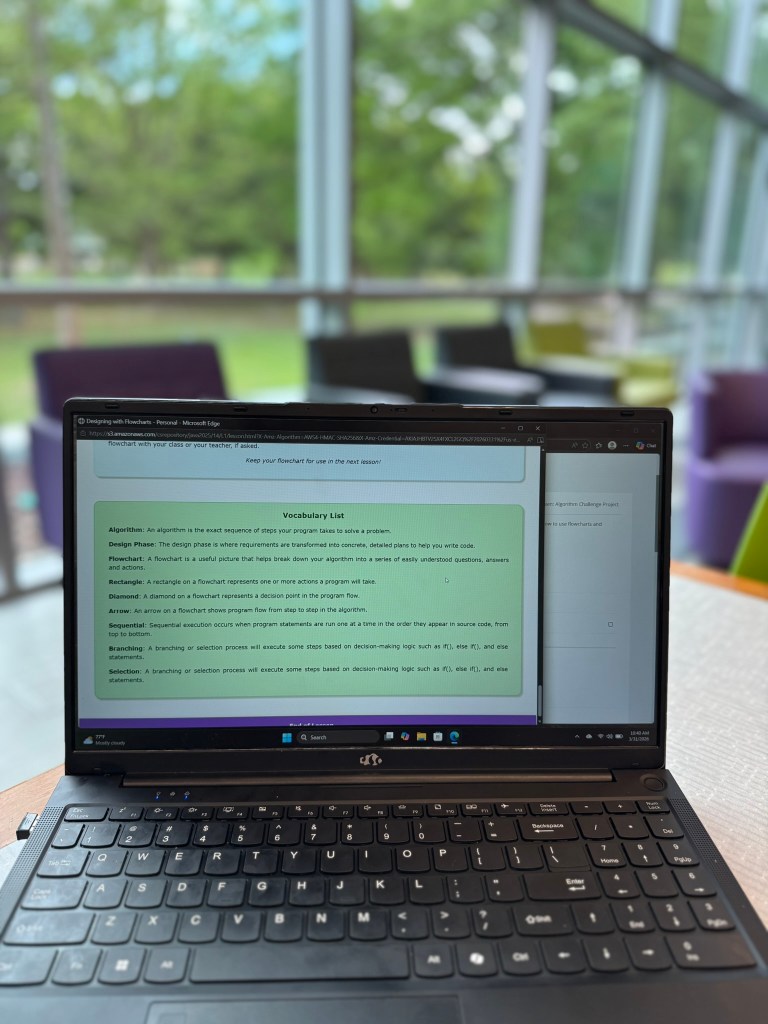
What the Coursework Actually Looks Like
Here’s a real peek into the kind of work your child will be doing…
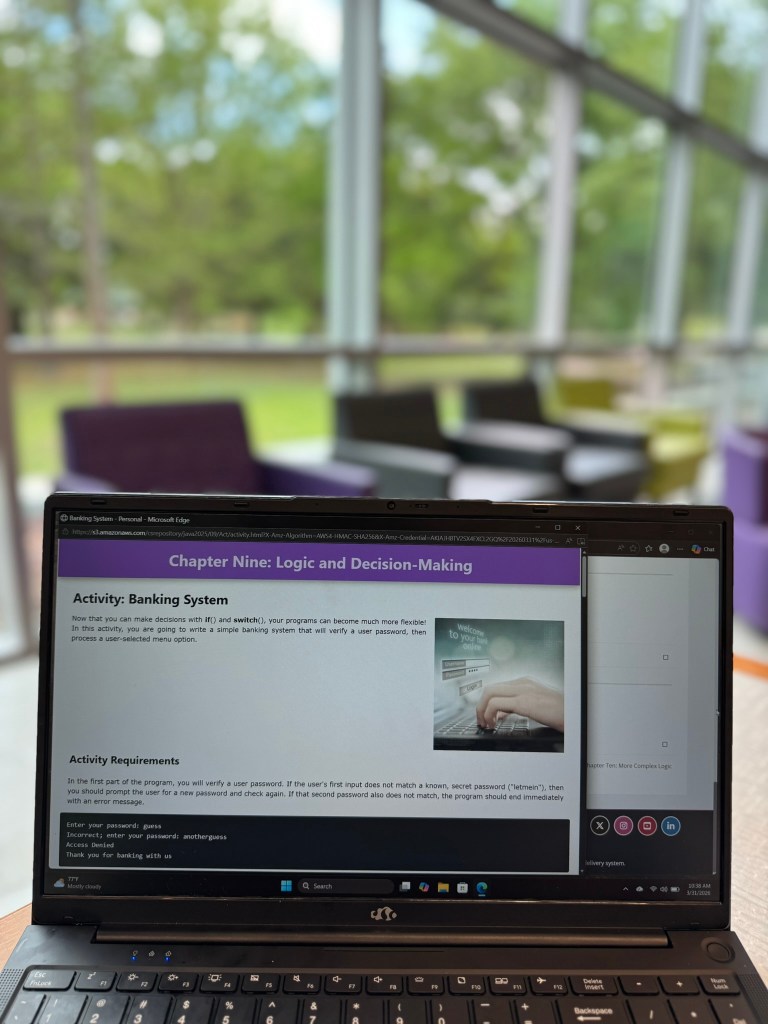
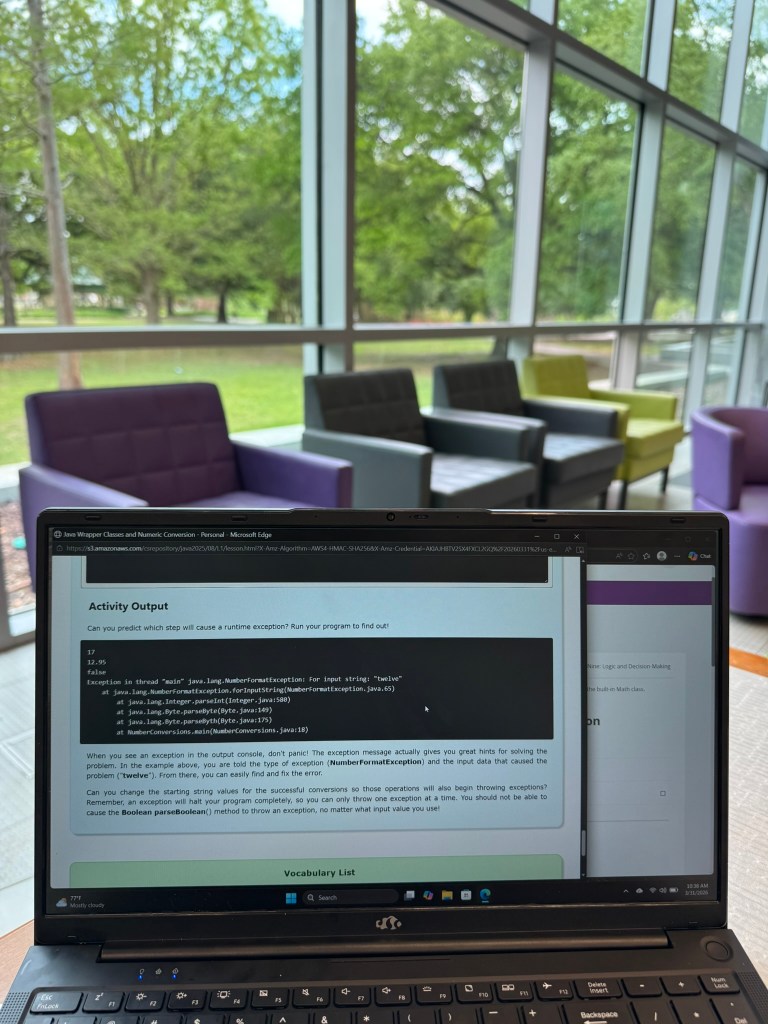
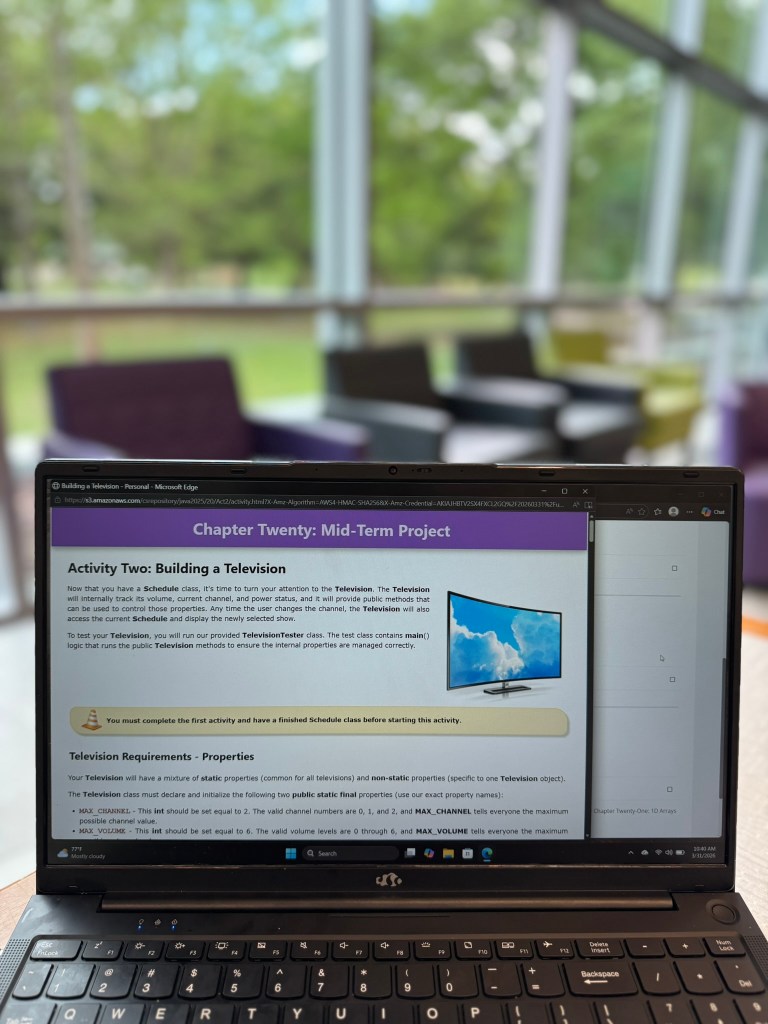
One of the projects we worked on was building a Television class in Java.
And at first glance, it sounds simple…
But it’s actually teaching some really important concepts.
Students have to:
- define properties like channel, volume, and power
- create methods like
powerOn(),channelUp(),volumeDown() - control how the system behaves depending on conditions
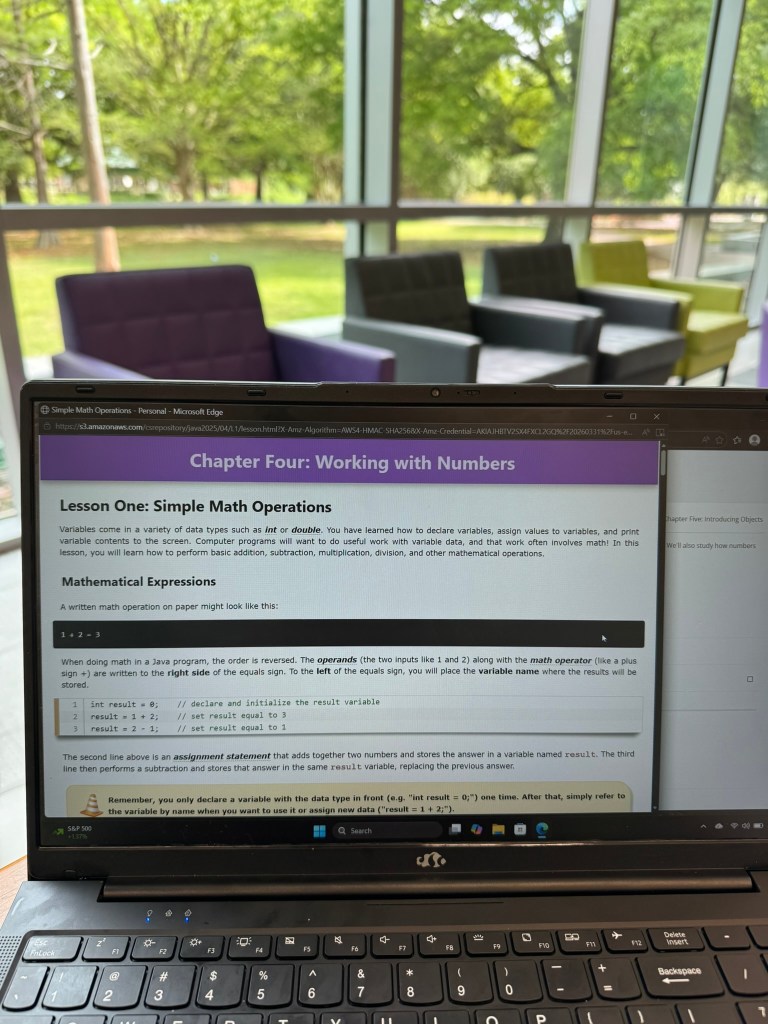
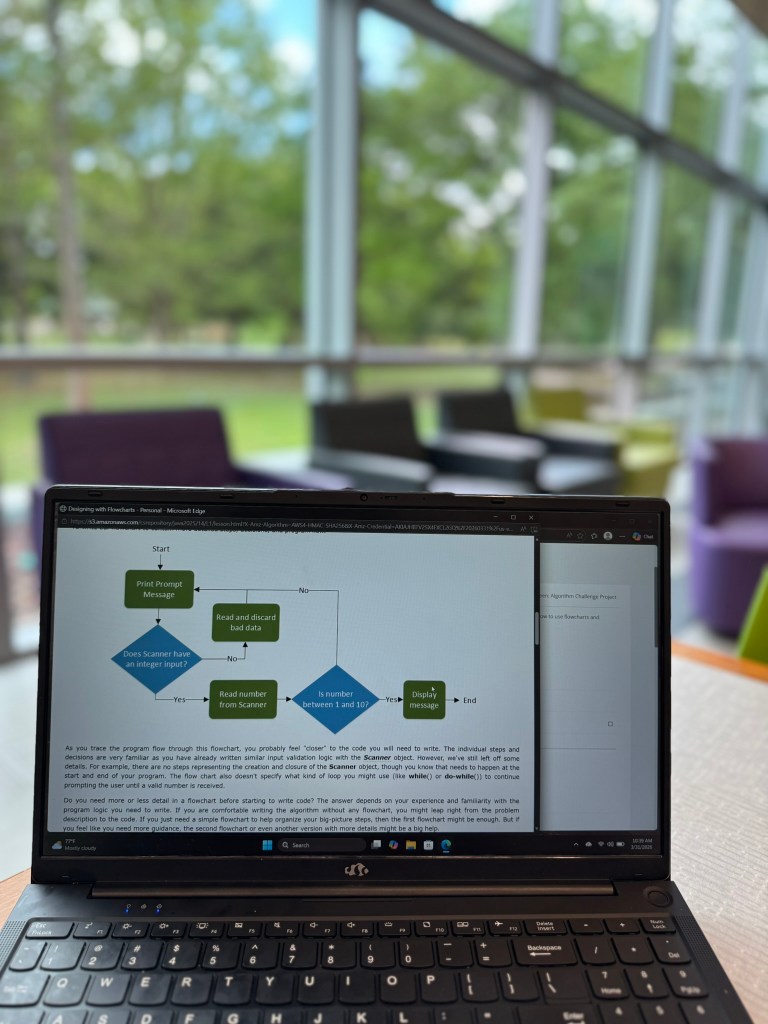
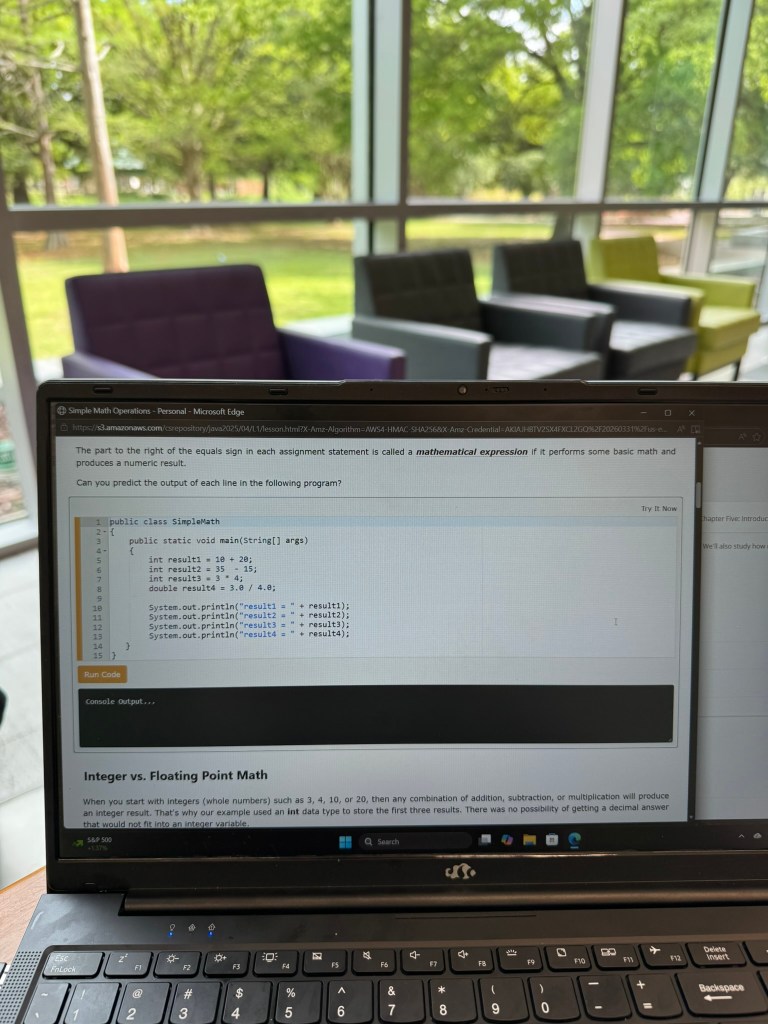
There’s also a detailed grading rubric, which means:
- everything has to be done correctly
- logic matters
- structure matters
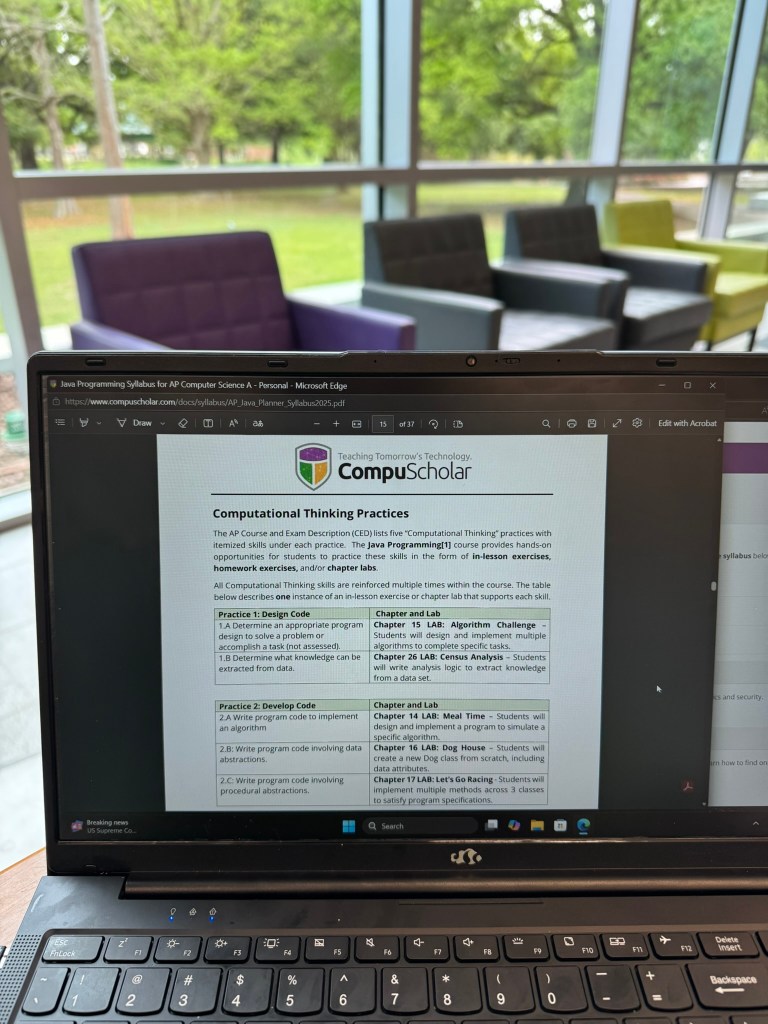
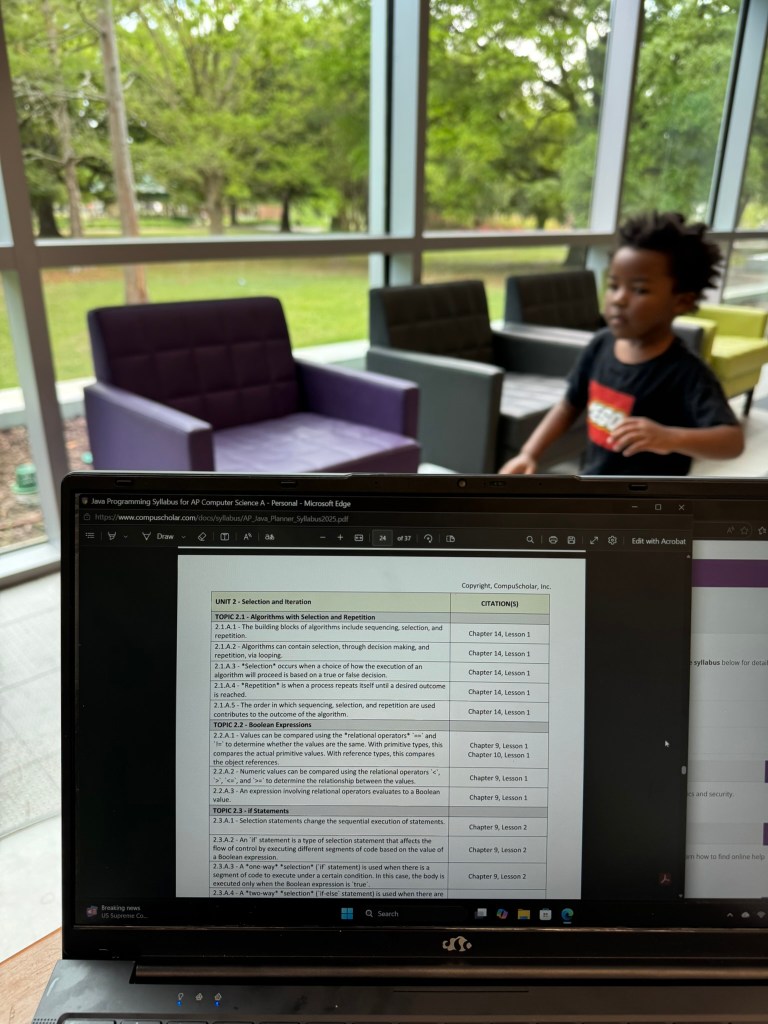
This is where it shifts from “learning” to actually thinking like a programmer.
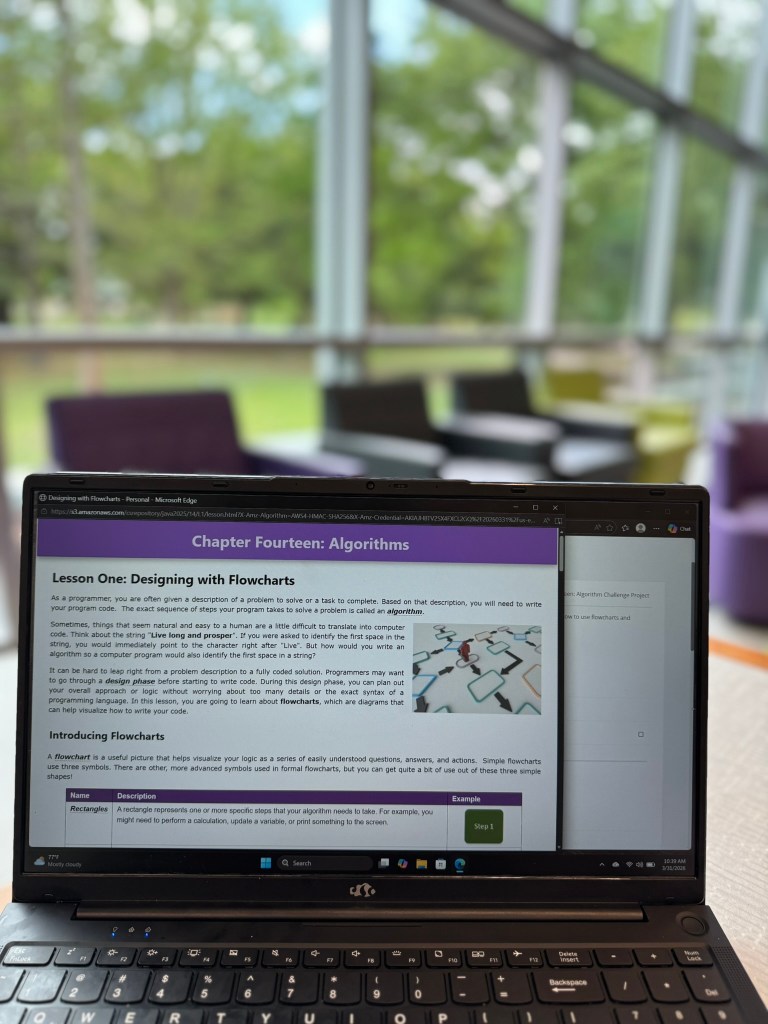
You can see the full course details and everything it includes right here.
This Is Where It Gets Really Interesting…
What surprised me the most?
It’s not just about typing code.
Students start learning how computers actually process information.
They move into things like:
- image loading
- pixel data
- histograms
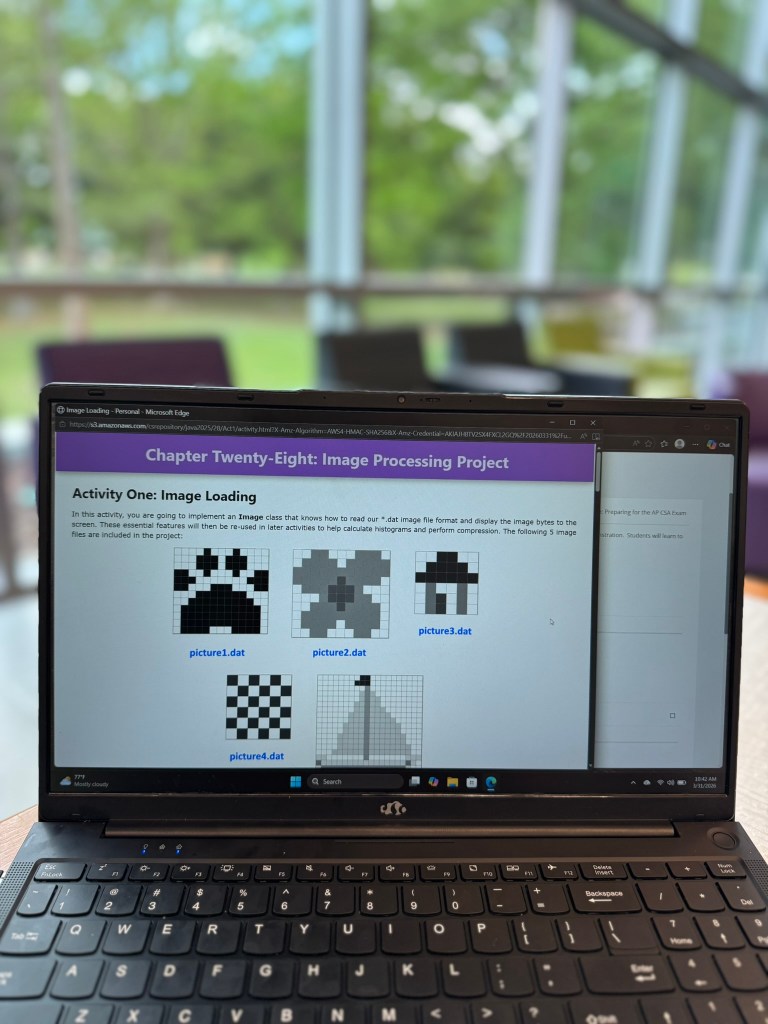
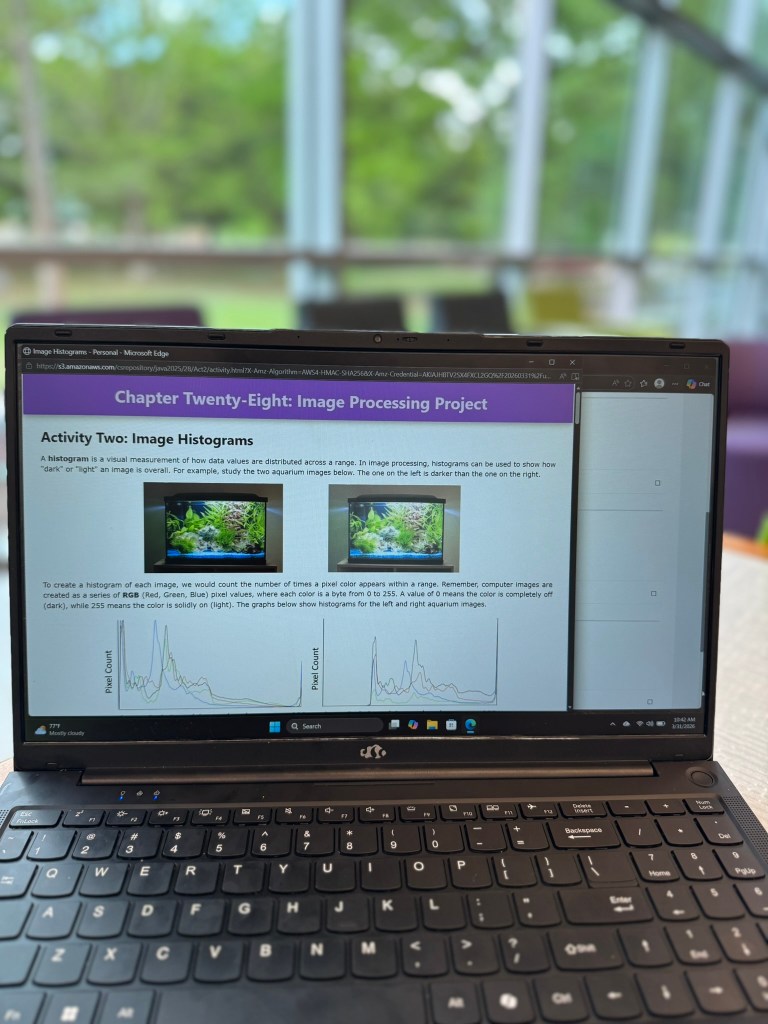
Which means they’re learning:
- how images are built
- how color values work
- how data is analyzed
And this connects directly to:
- AI
- data science
- advanced tech fields
Honestly… this part blew me away a little.
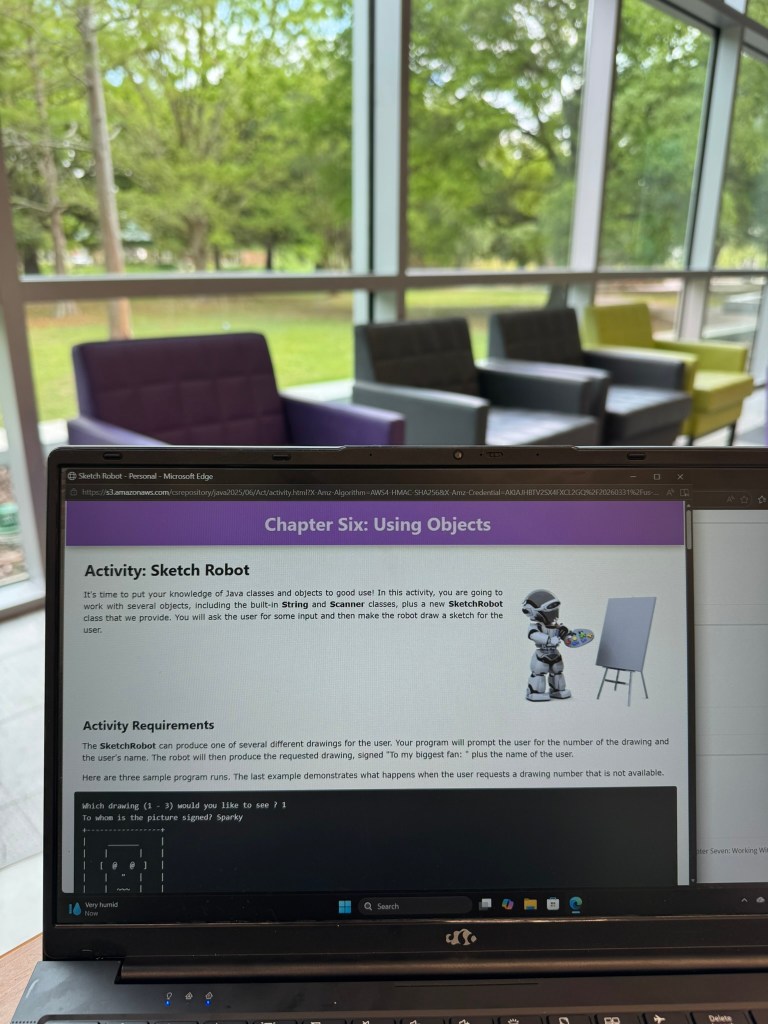
How the Course Is Structured (And Why That Matters)
Everything is laid out in a way that makes it manageable:
- lessons → assignments → quizzes
- clear expectations
- progress tracking
As a mom, I can quickly see:
- what’s been completed
- what needs work
- where support might be needed
And that alone makes a HUGE difference.
What I Love About This Course
✔ It Feels Legit
This doesn’t feel like “homeschool filler.”
It feels like something that actually matters.
✔ It Builds Real Confidence
There’s something powerful about watching your child:
- figure something out
- fix their own mistakes
- complete a real project
That confidence carries into everything else.
✔ It Supports Future Goals
If your child is interested in:
- STEM
- engineering
- tech careers
This gives them a strong foundation early.
What You Should Know Before Starting
Let’s talk honestly for a second.
It’s Not Easy
This is not a “set it and forget it” course.
It requires:
- consistency
- effort
- patience
There Will Be Frustration
Coding comes with:
- errors
- confusion
- trial and error
But that’s also where the growth happens. This has honestly been one of the more solid additions to our homeschool, and you can check it out here.
What Students Learn in This Java Curriculum
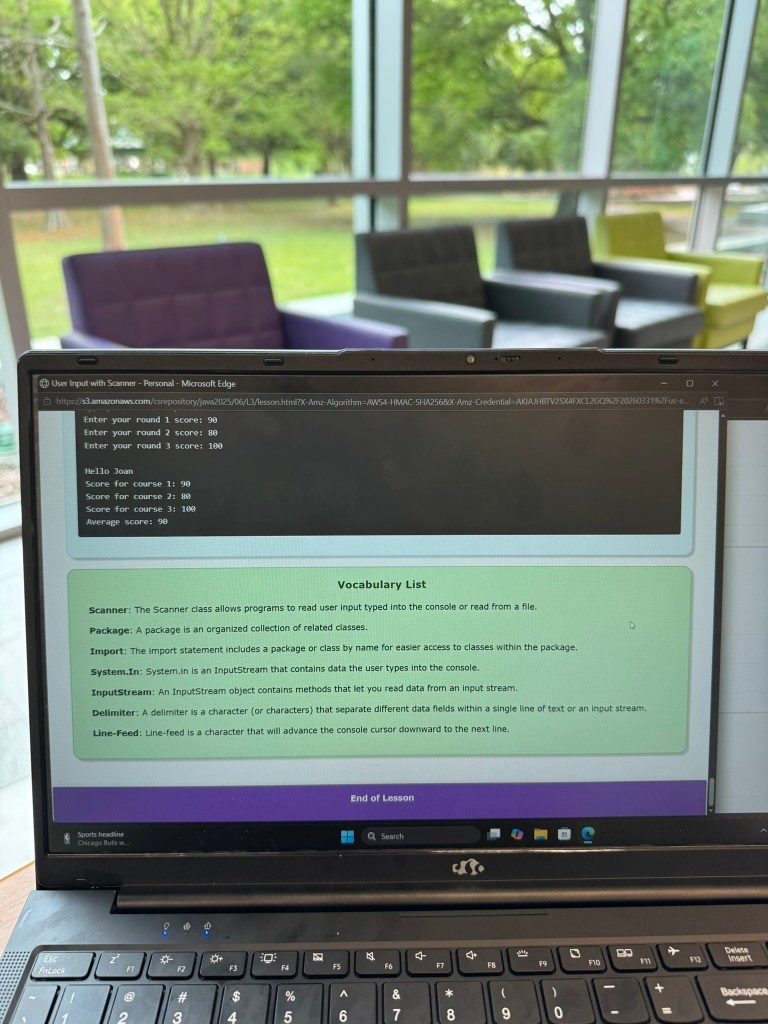
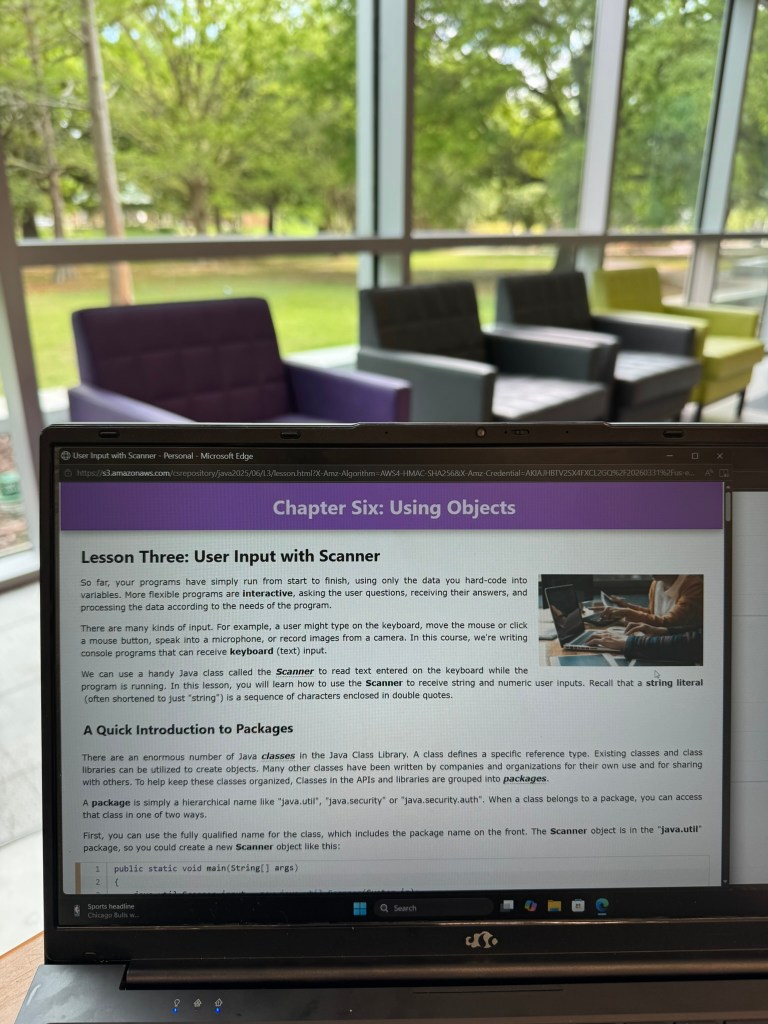
Students don’t just memorize code—they actually build real projects.
One of the biggest things I noticed right away is how the curriculum walks students through creating functional programs, like building a television system using Java.
It introduces:
- Classes and objects
- Properties and methods
- Real-world logic in coding
And it does it in a way that feels structured—not overwhelming.
Real Java Projects Students Actually Build
This isn’t one of those programs where kids just watch videos and click “next.”
There are clear expectations and grading rubrics, which I actually love because it teaches accountability and real understanding.
Students are expected to:
- Write working code
- Understand how their program functions
- Apply concepts step-by-step
And honestly, that structure makes a big difference.
Is the CompuScholar Java Programming Course Worth It?
Here’s my honest answer:
Yes — for the right student.
This is a GREAT fit if your child:
- is curious
- enjoys problem-solving
- is interested in how things work
But I wouldn’t push it if they’re not interested.
Hands-On Programming Beyond Basic Lessons
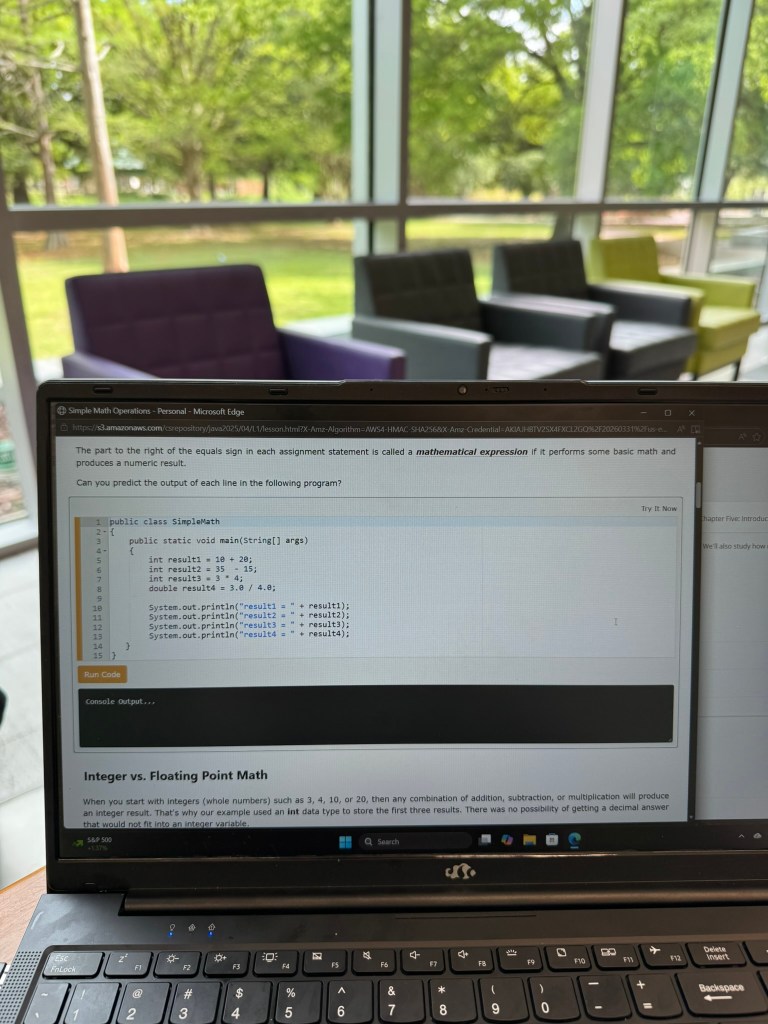
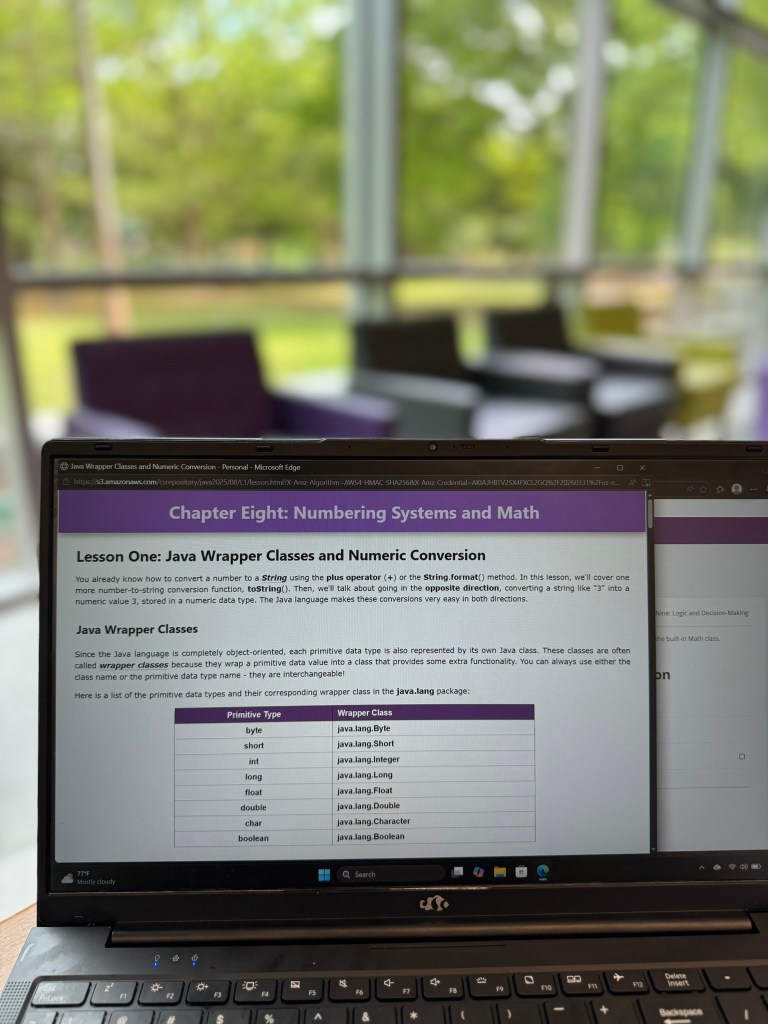
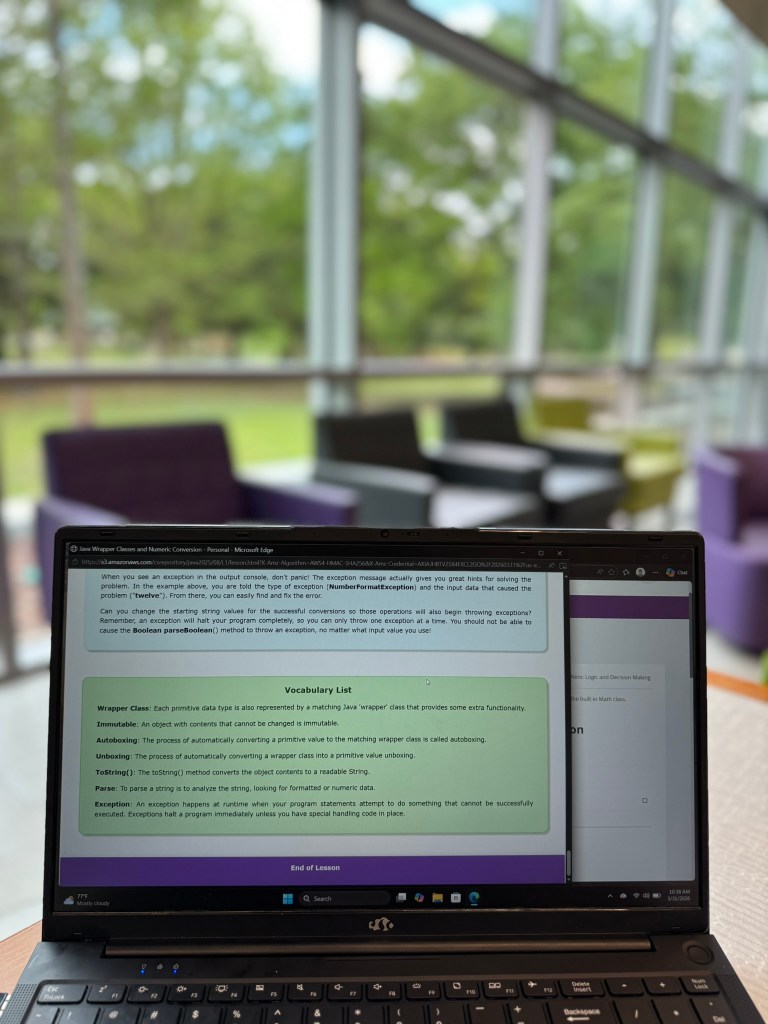
One thing that surprised me is how quickly it moves into real applications.
Students learn how to:
- Load and process images
- Work with file data
- Understand how computers interpret visuals
This is the kind of stuff that makes coding feel real, not just abstract.
Advanced Java Concepts Made Simple for Students
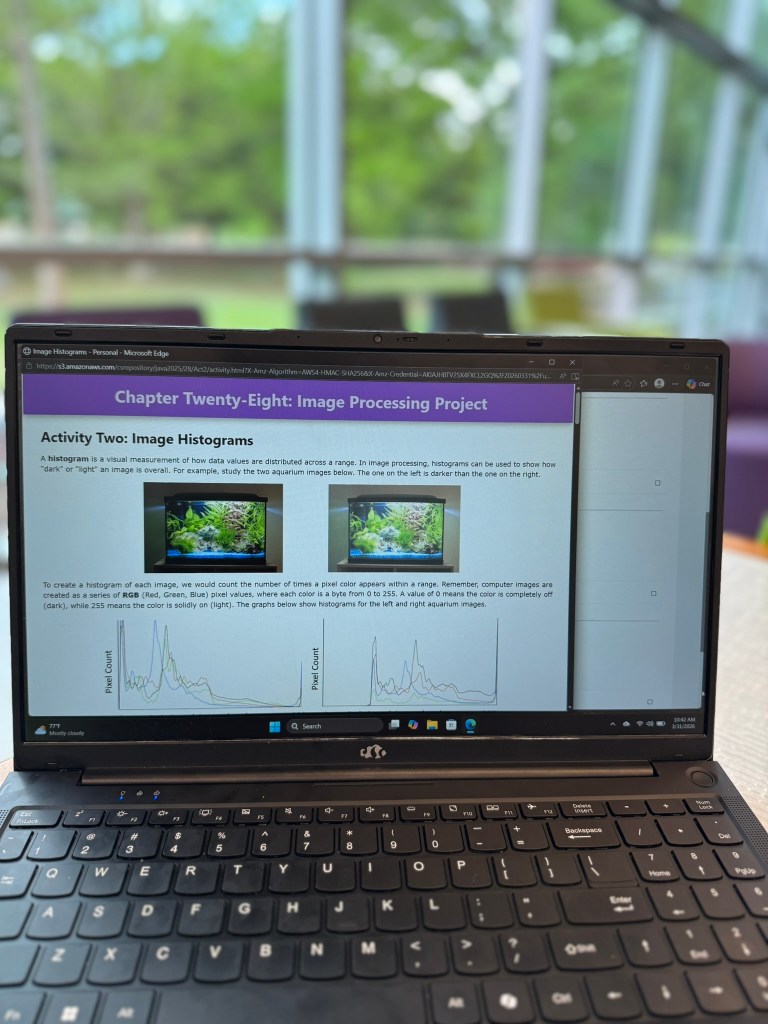
As the lessons progress, students are introduced to more advanced ideas like:
- Data visualization
- Image histograms
- Pixel-based programming
And while that might sound complex, the curriculum breaks it down in a way that’s actually manageable.
Even for kids who are new to coding.
How This Curriculum Prepares Students for Exams
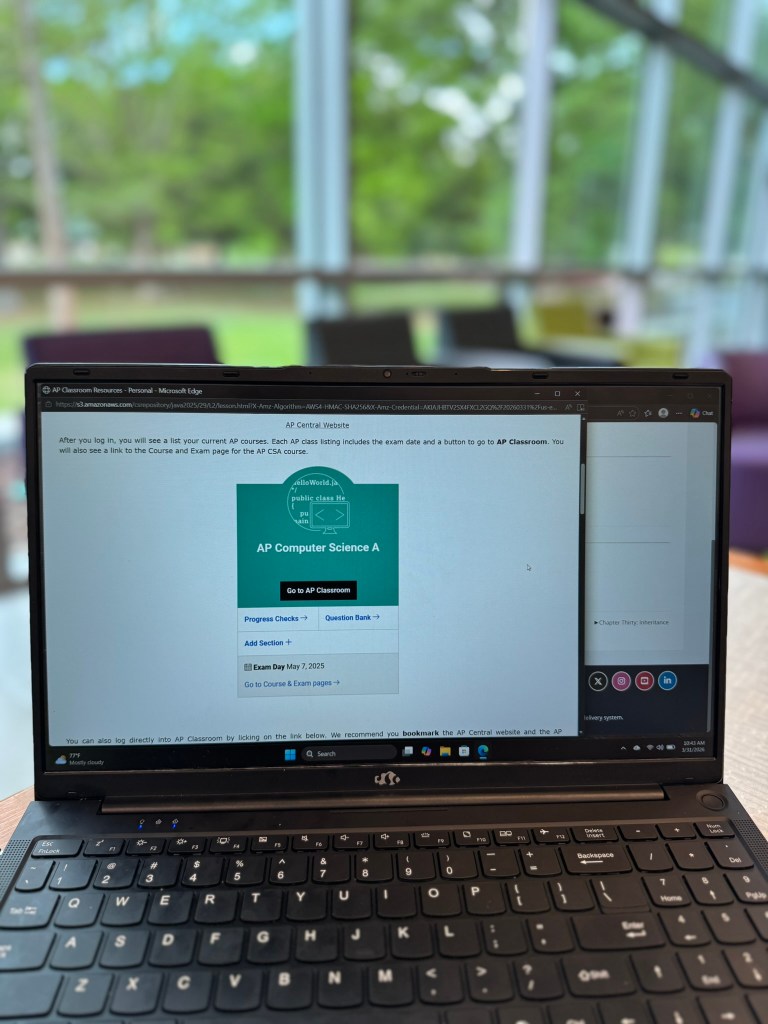
If your child is on a path toward something like AP Computer Science, this curriculum does a great job of preparing them.
It covers:
- Exam structure
- Problem-solving skills
- Java programming fundamentals
So they’re not just learning—they’re preparing for what’s next.
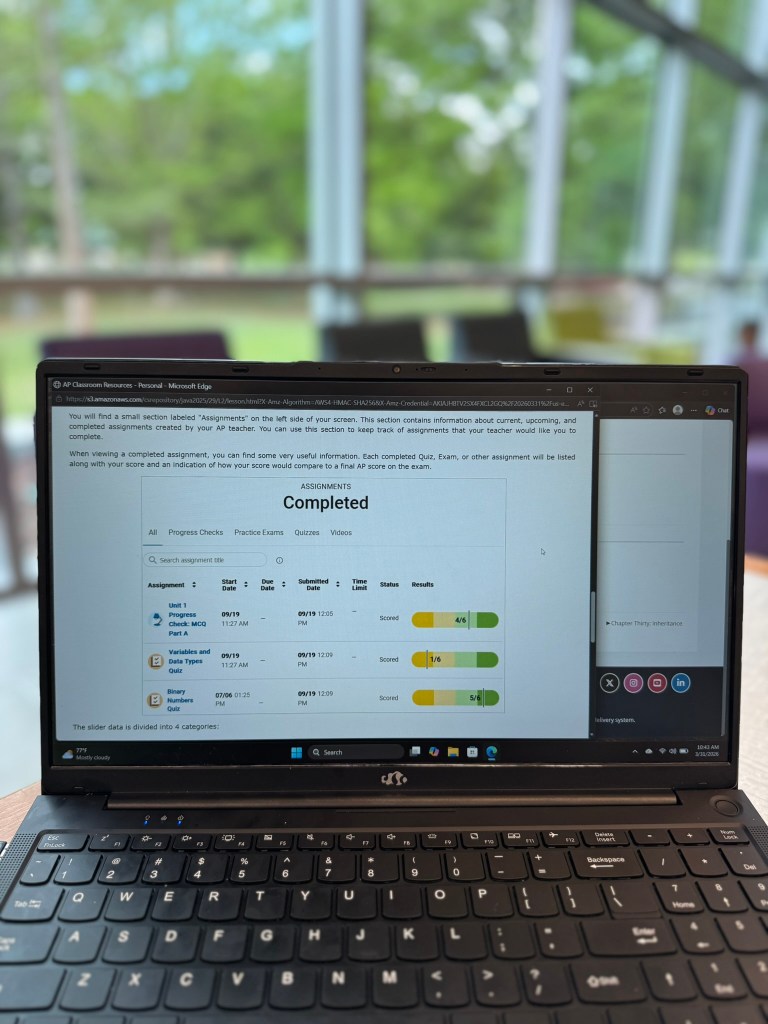
Tracking Student Progress in Coding Curriculum
Another feature I really appreciate is how easy it is to track progress.
Everything is organized in one place, so students can:
- See what they’ve completed
- Access lessons and resources
- Stay on track without constant reminders
And as a busy mom… that matters.
Staying Organized With Assignments and Scores
Students can also see their assignment progress and scores, which helps build independence.
Instead of constantly asking:
“Did you finish your work?”
They can actually see it for themselves.
And that alone has been a game changer in our homeschool. If you’ve been looking for a structured, real-world coding curriculum, this is a great place to start—check it out here.
How This Fits Into Our Homeschool Life
We’re not just checking boxes over here.
We’re building:
- independence
- real-life skills
- confidence
And this course fits into that vision perfectly.
Final Thoughts
If you’re on the fence about the CompuScholar Java Programming course, here’s what I would say:
Start.
Take it one lesson at a time.
Support your child when they get stuck.
Because what they’re learning here?
…goes way beyond coding. If your child is even a little interested in coding, I definitely recommend taking a look at this course here.


Leave a Reply