If you’re trying to figure out how to teach your child real-world tech skills at home, you’ve probably come across coding—and more specifically, Python.
But let’s be honest. Most of us didn’t grow up learning programming, so choosing a curriculum can feel overwhelming fast.
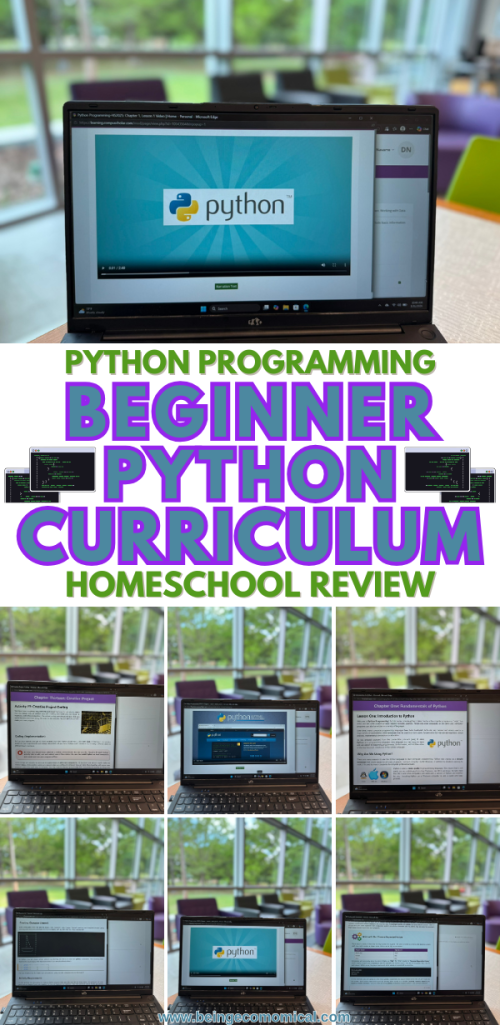
That’s exactly why I wanted to take a closer look at the CompuScholar Python Programming course and share what it actually looks like from a homeschool mom’s perspective.
In this post, I’m walking you through:
- what the course includes
- what your child will actually learn
- what a typical lesson looks like
- and whether it’s worth adding to your homeschool
What Is CompuScholar Python Programming?
CompuScholar’s Python Programming course is a structured, online curriculum designed to teach students how to code using Python—one of the most beginner-friendly and widely used programming languages today.
It’s designed for middle school through high school students and works well in:
- homeschool settings
- traditional classrooms
- independent learning environments
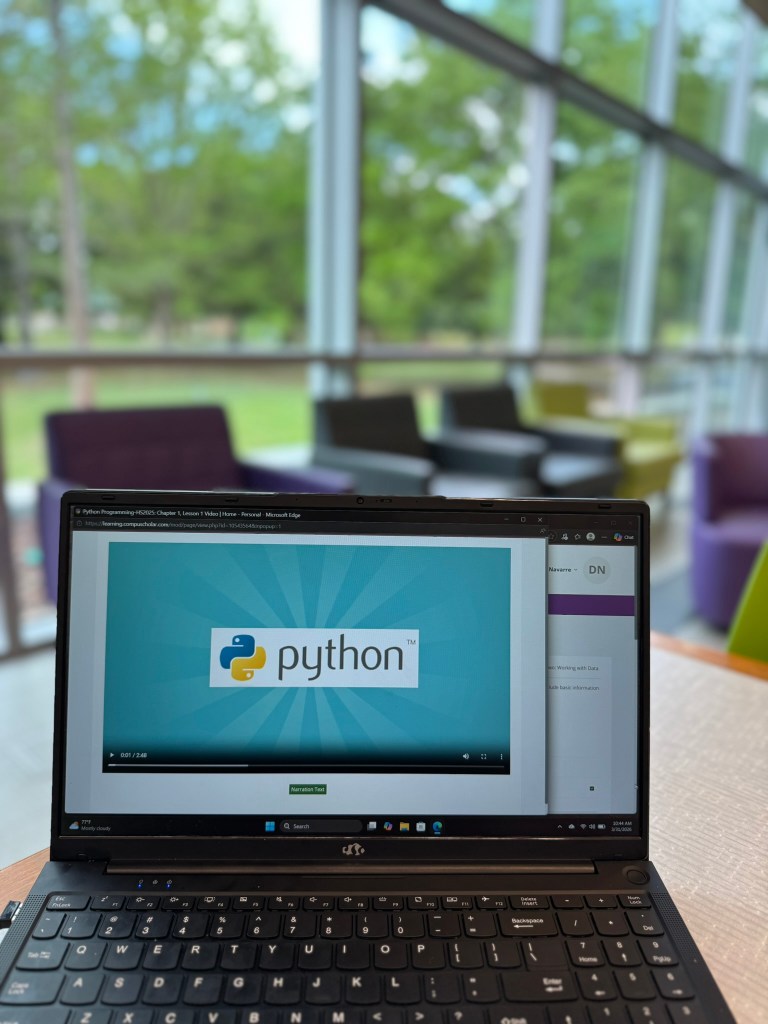
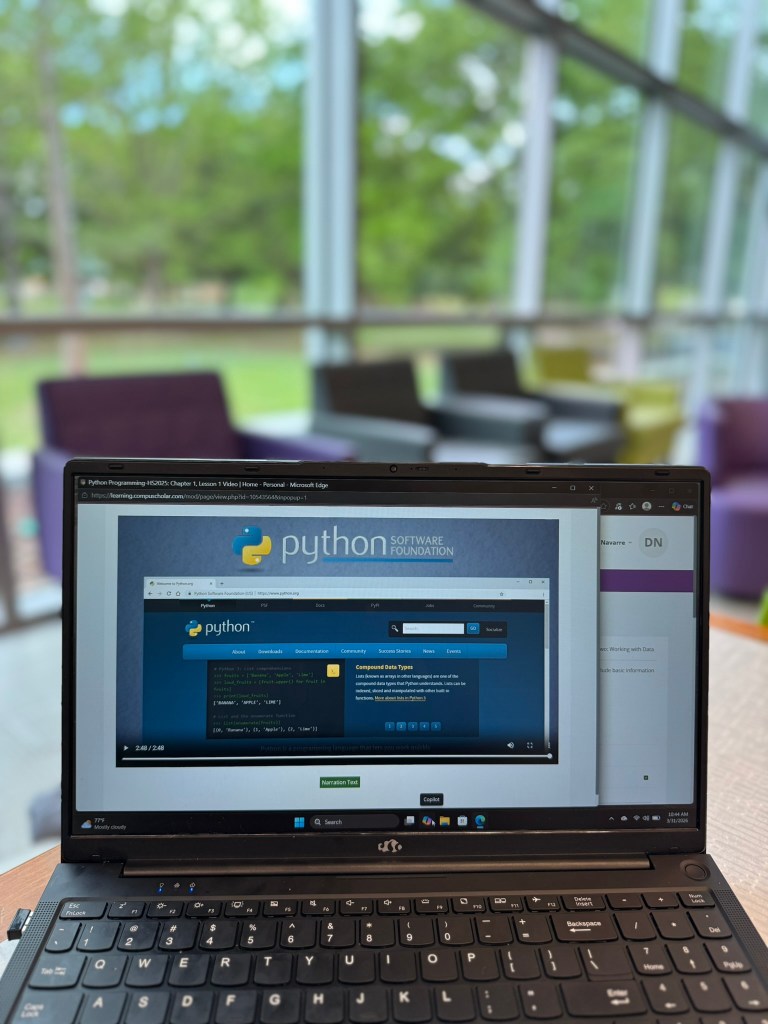
This isn’t just a “watch and forget” type of program. It walks students step-by-step through:
- lessons
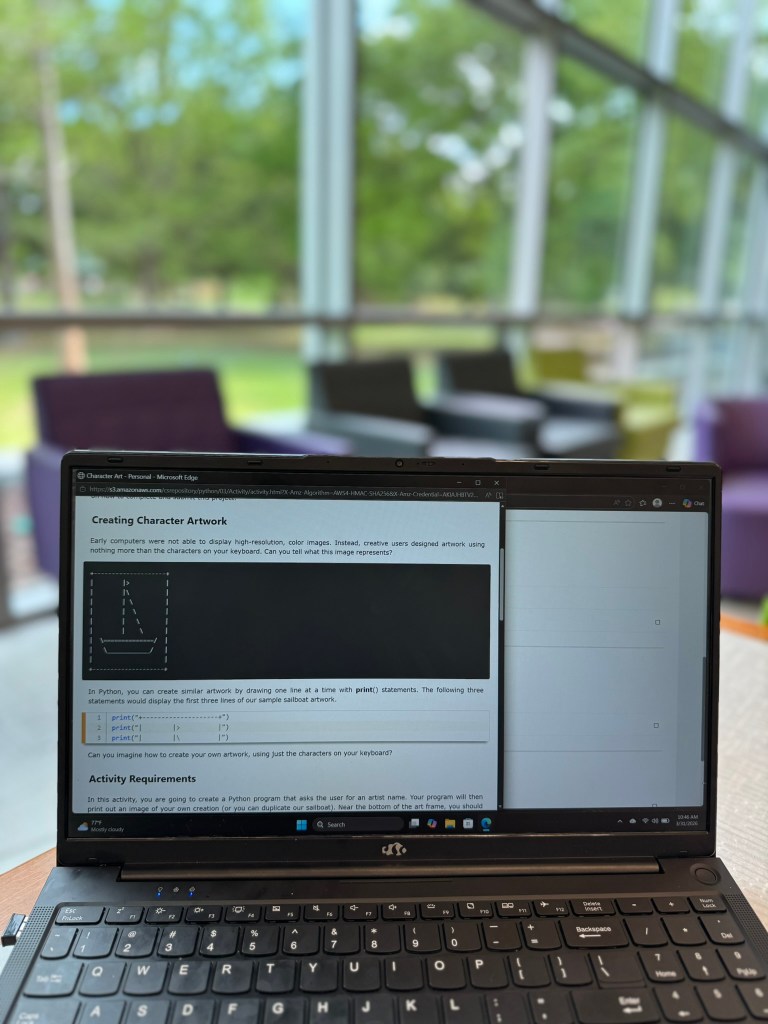
- hands-on coding activities
- real projects
- and problem-solving exercises
If you’re looking for something that actually builds a skill—not just fills time—this is one of those courses.
If you want to take a look at the course details for yourself, you can check it out here.
More Homeschool Posts To Check Out Here:
- CompuScholar Tech Essentials Review
- CompuScholar Java Programming Review
- Why We Chose Timberdoodle And What’s In Our Box
What Kids Actually Learn in This Course
One thing I always look for is whether a course goes beyond basics—and this one does.
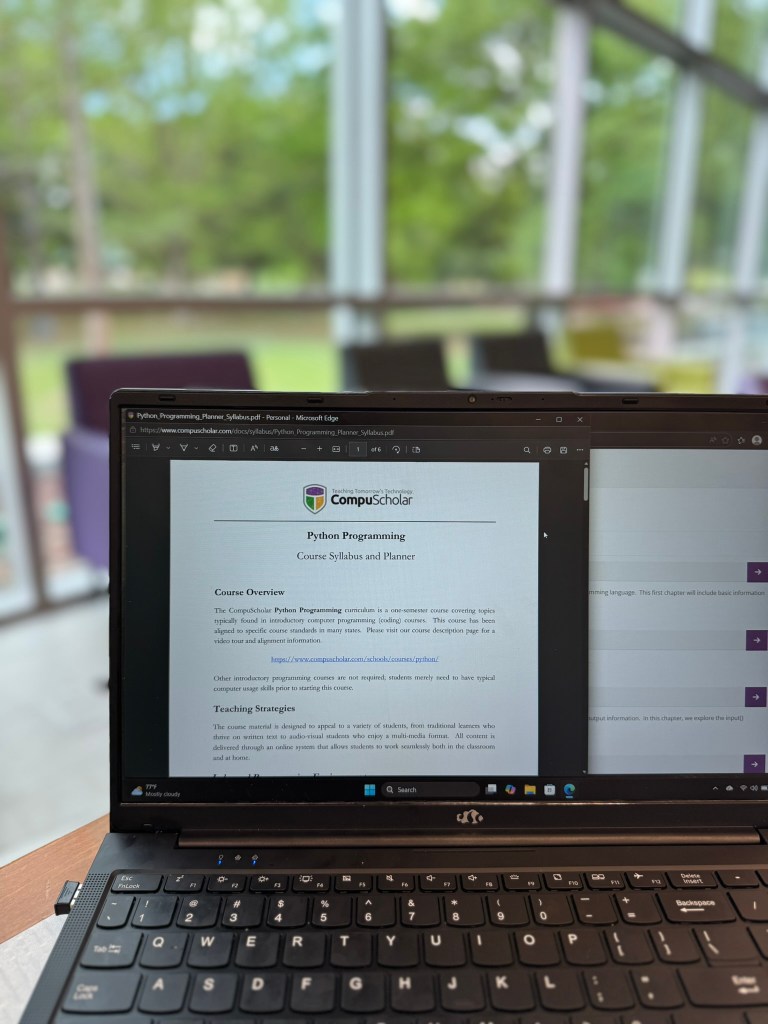
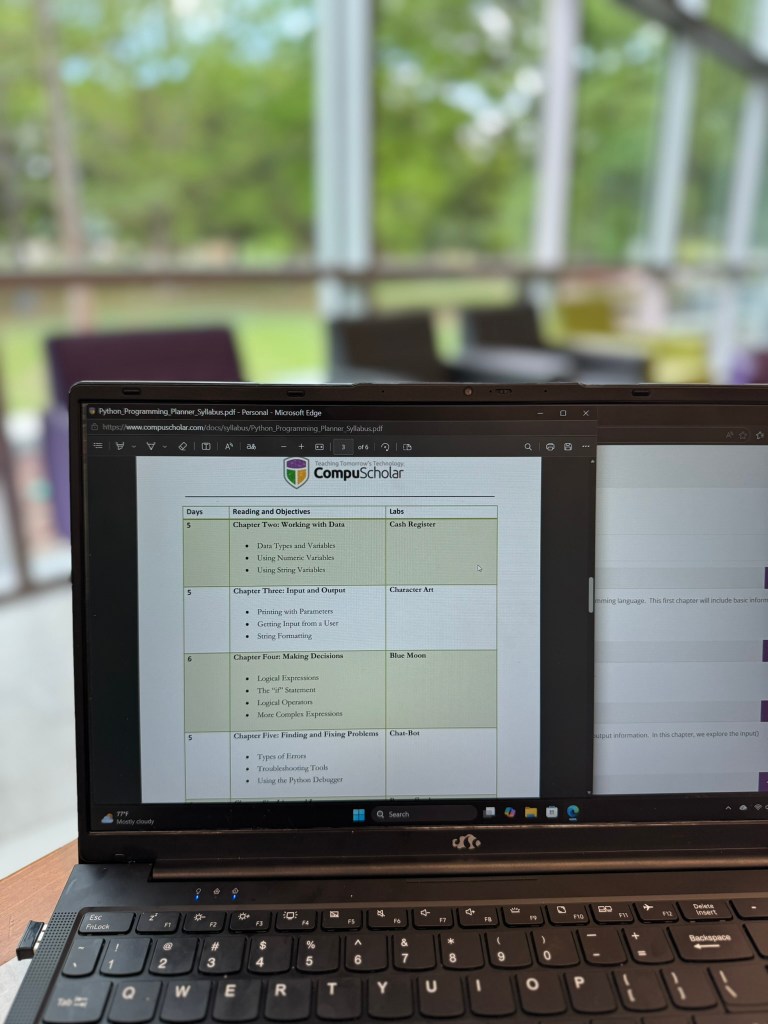
Here’s a breakdown of what your child will learn throughout the course:
1. Python Fundamentals
Your child starts with the basics:
- variables
- data types
- input and output
- simple programs
This is where they begin understanding how code actually works.
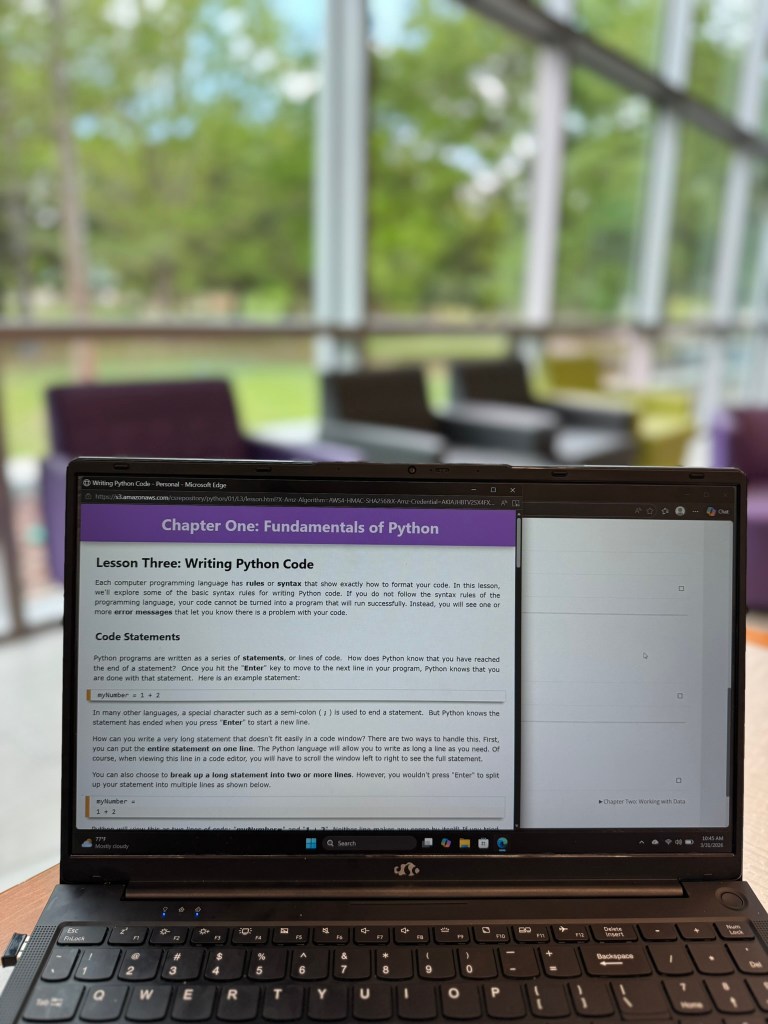
2. Writing and Structuring Code
They’ll learn:
- how to properly write code
- how syntax works
- how to format and organize programs
This is important because coding isn’t just typing—it’s thinking logically.
3. Problem Solving and Debugging
One of the most valuable skills taught is how to:
- fix errors
- troubleshoot code
- understand what went wrong
This builds real confidence—not just in coding, but in problem-solving overall.
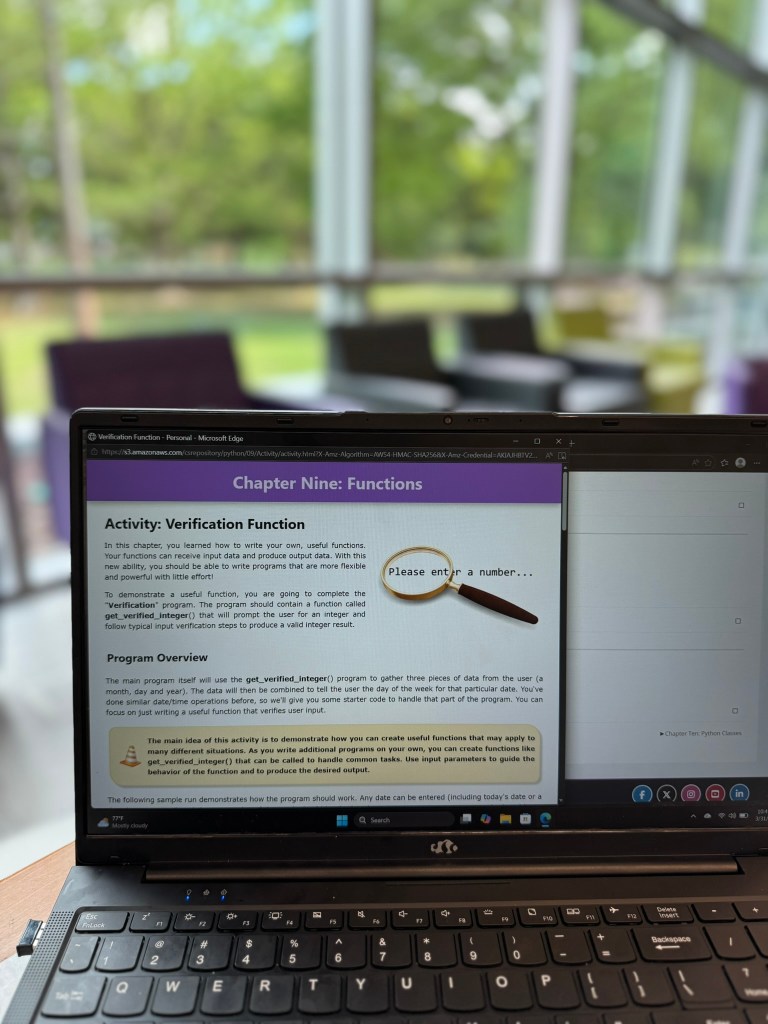
4. Functions and Logic
As they progress, they learn:
- functions
- logical expressions
- decision-making in code
This is where things start to feel more like “real programming.”
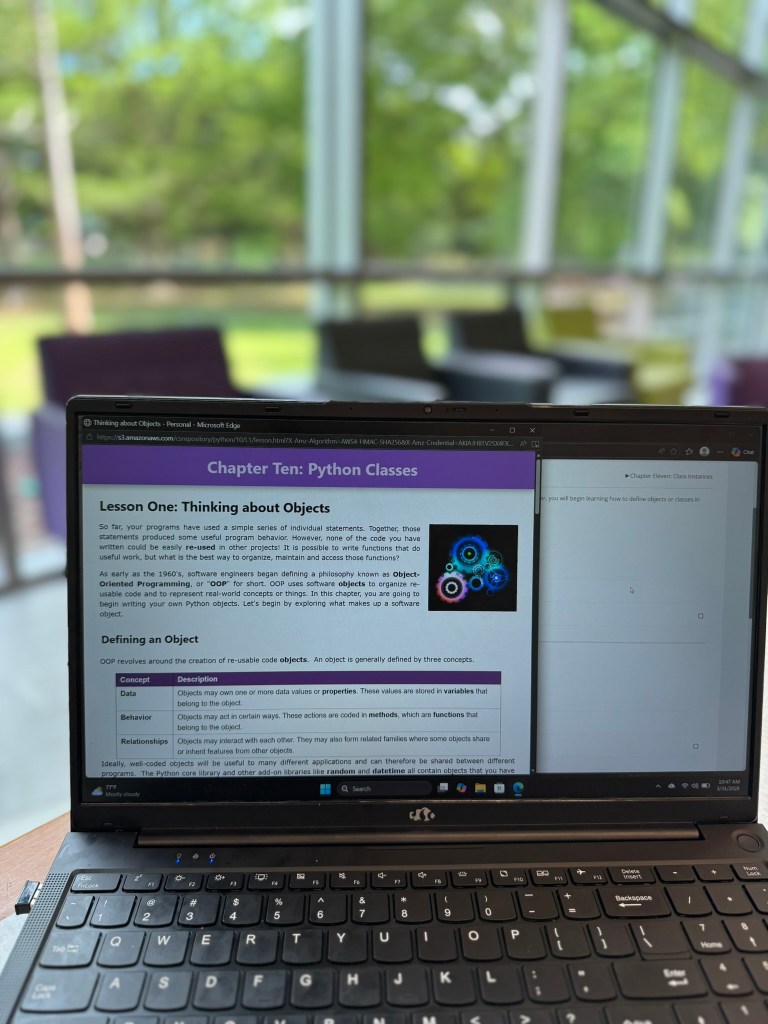
5. Object-Oriented Programming (Advanced Concepts)
Toward the end, students are introduced to:
- classes
- objects
- reusable code
This is high-level thinking that prepares them for future tech careers.
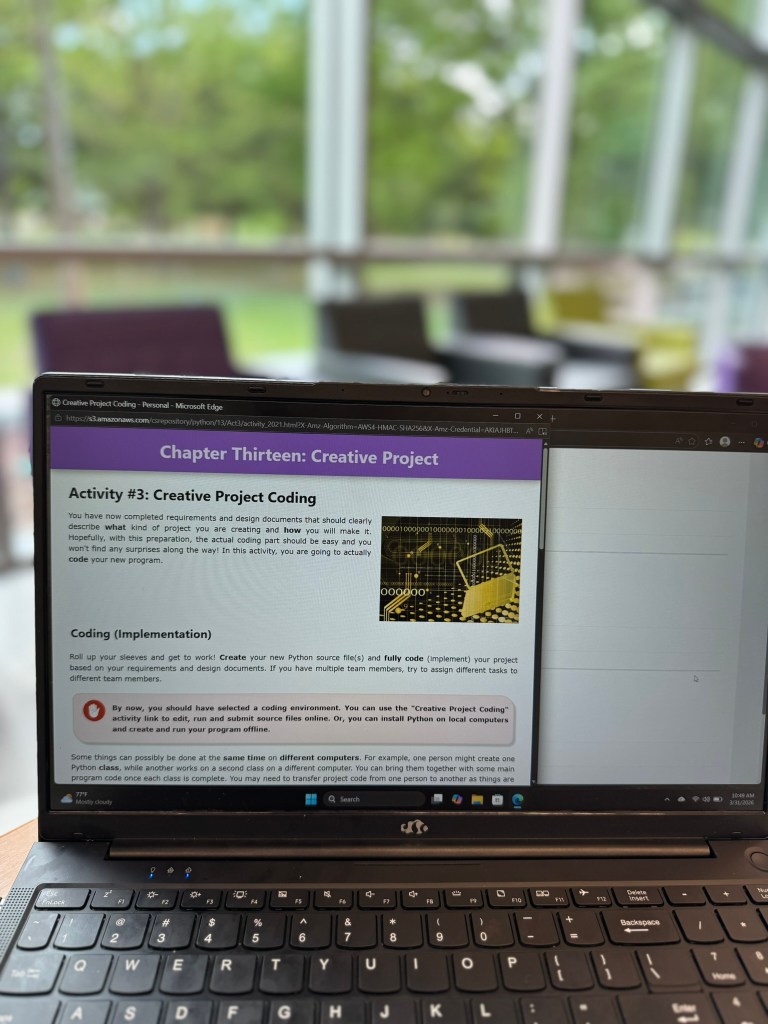
6. Final Creative Project
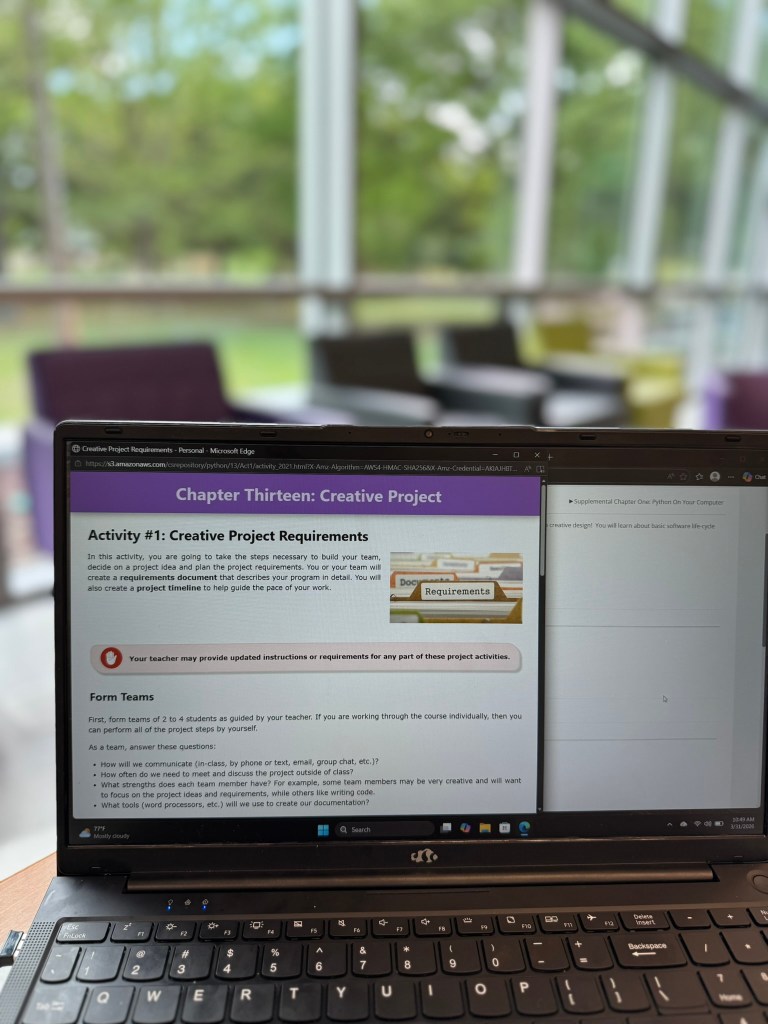
One of my favorite parts is the final project.
Students actually:
- plan their own program
- design it
- and build it from start to finish
This gives them something tangible to be proud of—and that matters.
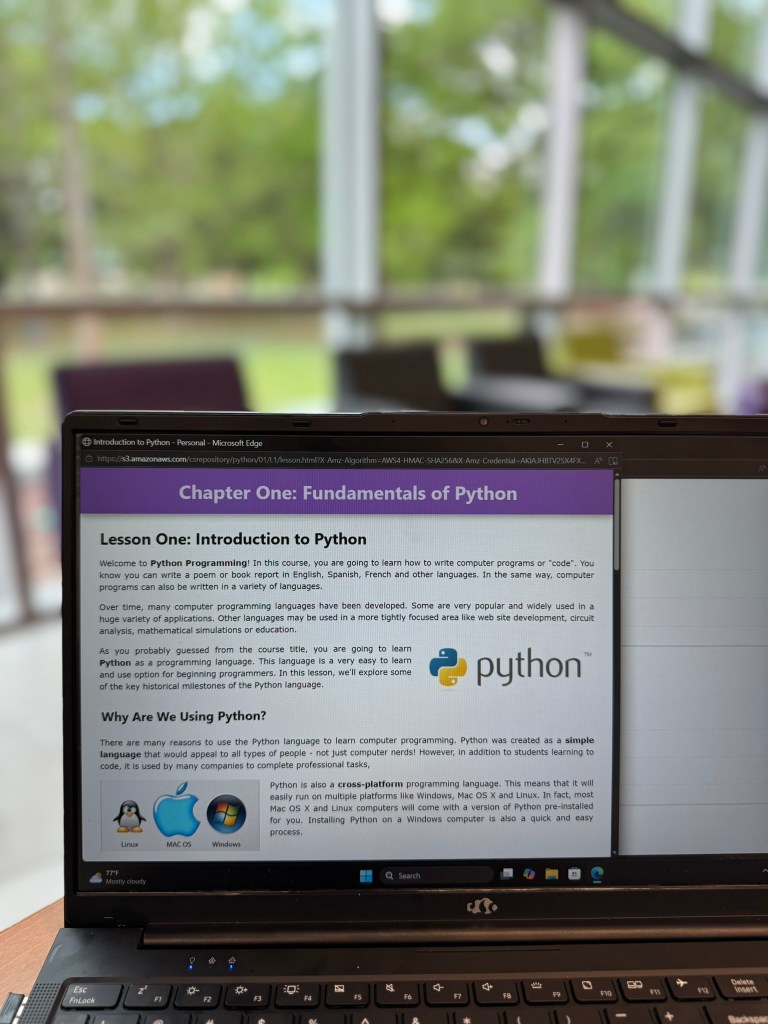
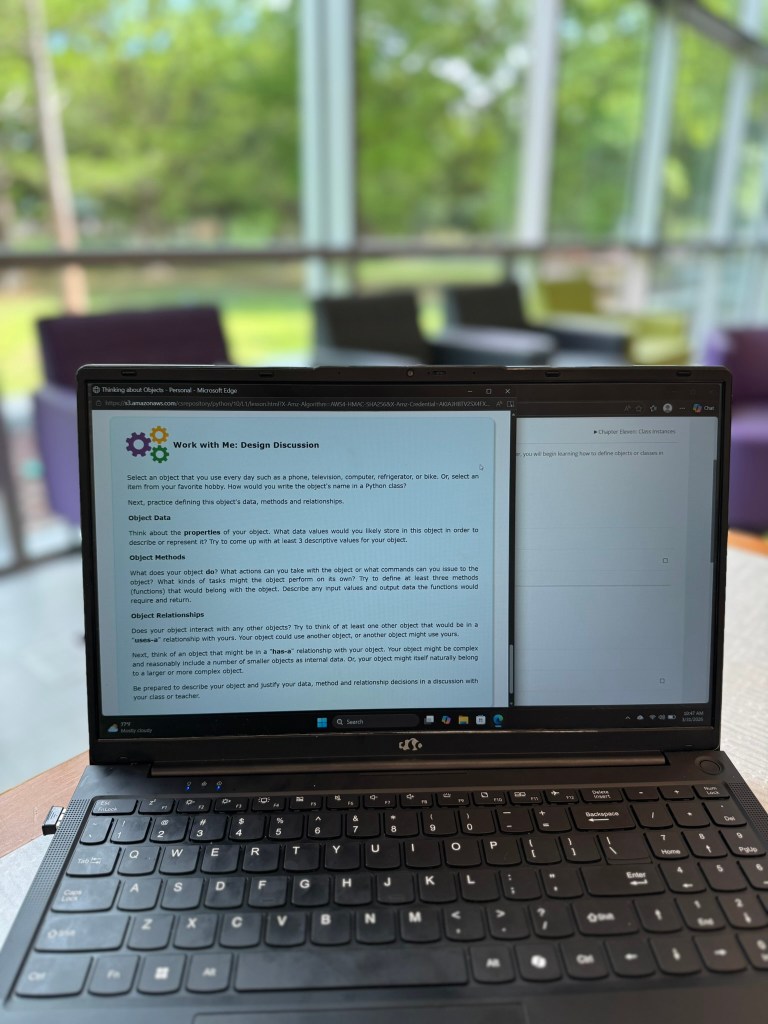
What a Lesson Looks Like
Each lesson is structured in a way that feels manageable, especially for busy homeschool days.
Typically, lessons include:
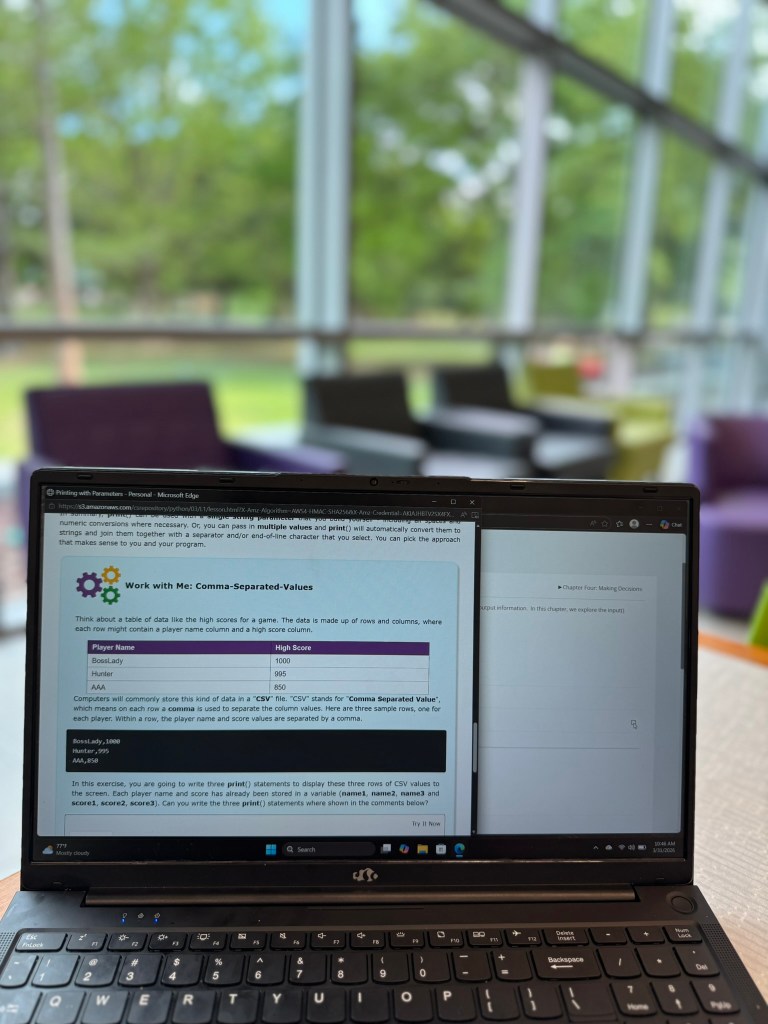
- a short instructional video
- written explanations
- guided practice
- interactive coding activities
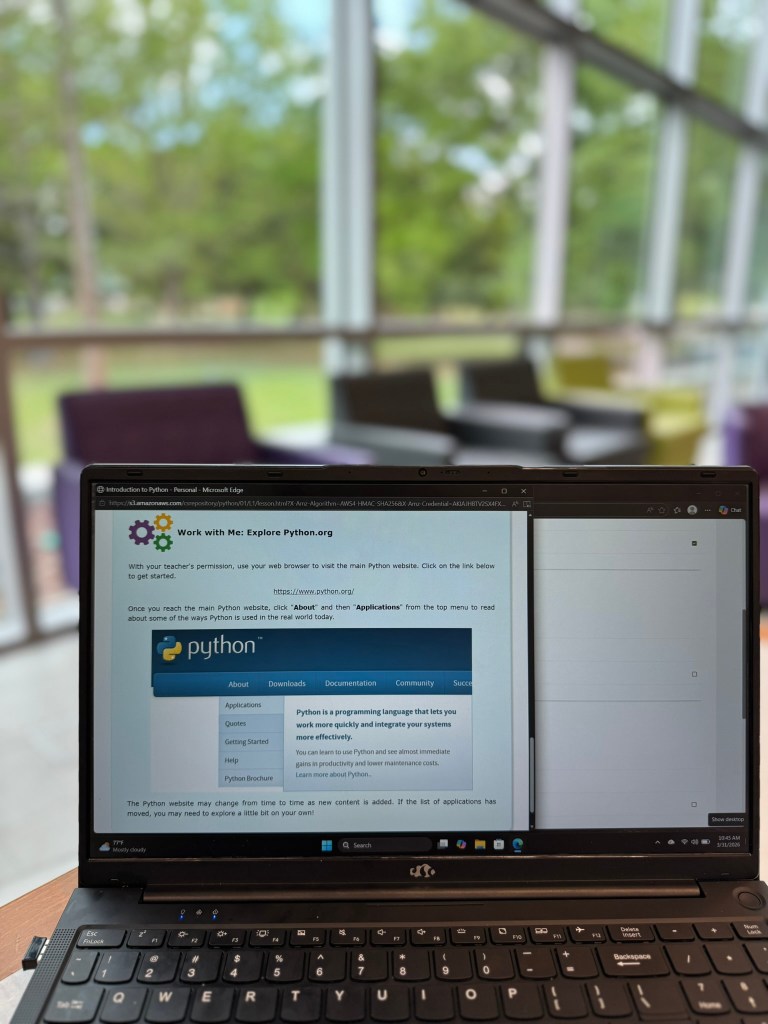
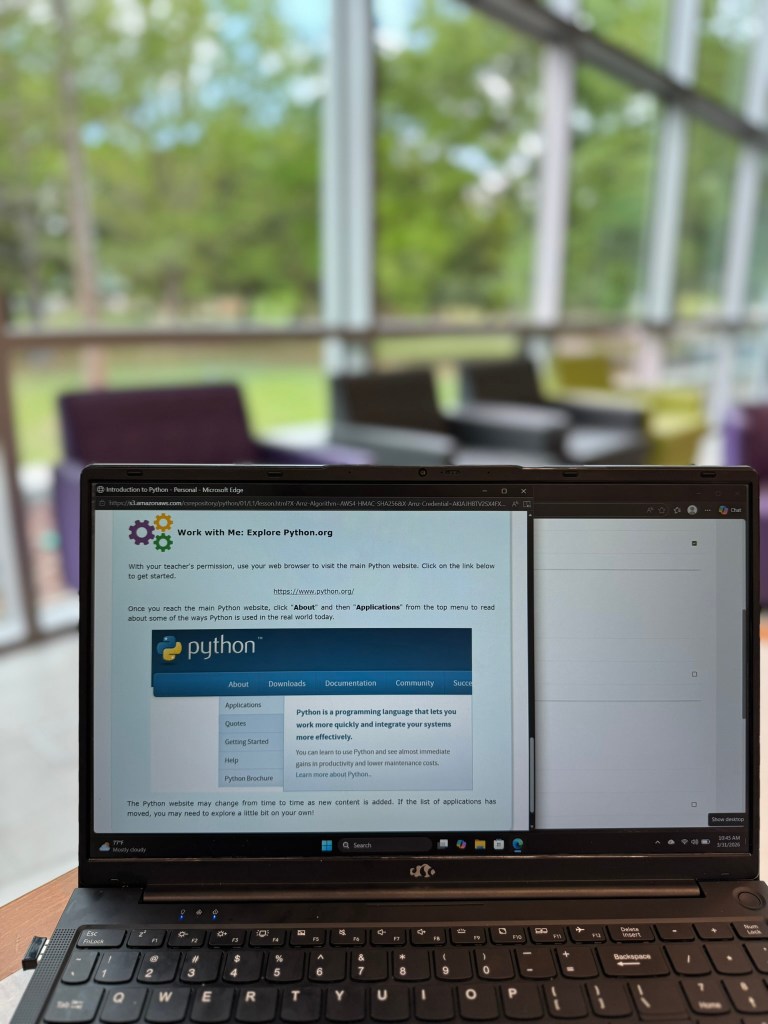
There are also “Work With Me” sections where students apply what they just learned.
This is helpful because it keeps them from just passively watching—they’re actually doing.
If you want to preview how the lessons are structured, you can view the course here: CompuScholar Python Programming.
How Easy Is It to Use for Homeschool?
As a homeschool mom, that matters because:
- your time is limited
- you’re teaching multiple subjects
- and you don’t need one more complicated thing
Your child can work independently, and you can still stay involved without having to “teach” coding yourself.
Is This Course Beginner-Friendly?
Yes—and that’s important.
Python itself is known for being one of the easiest programming languages to learn, and this course:
- starts slow
- builds gradually
- and explains concepts clearly
Even if your child has never coded before, they can follow along.
What I Like About This Course
From a mom perspective, here’s what stood out to me:
It builds a real skill
This isn’t busywork. Coding is something kids can actually use in the future.
It’s structured and organized
No guessing what to do next.
It encourages independent learning
Perfect for homeschool families juggling multiple kids and subjects.
It includes hands-on practice
Kids aren’t just watching—they’re doing.
It grows with your child
It starts simple but moves into more advanced concepts.
What to Consider Before Buying
No course is perfect, so here are a few things to keep in mind:
- Your child will need basic computer skills
- They need to be able to read and follow directions independently
- It’s more academic than “game-like,” so it may not feel entertaining at first
That said, if your goal is learning over entertainment, this is actually a good thing.
Is CompuScholar Python Worth It?
If you’re looking for:
- a structured coding curriculum
- something your child can do independently
- and a real-world skill that actually matters
Then yes, it’s absolutely worth considering.
It removes the pressure from you as the parent while still giving your child a strong foundation in coding.
If you want to explore the course or see if it’s a good fit for your homeschool, you can check it out here: CompuScholar Python Programming.
Final Thoughts
Adding something like coding into your homeschool doesn’t have to feel overwhelming.
You don’t need to be the expert—you just need the right tools.
CompuScholar Python is one of those resources that:
- simplifies the process
- builds confidence in your child
- and sets them up with a skill that can grow with them
And as a mom, that’s really what we’re looking for—something that’s actually worth our time and investment.


Leave a Reply